Understanding Memory: Basics, Information Processing, and Sensory Registers in Psychology
This resource explores the fundamentals of memory, defining key concepts such as the information processing model, sensory registers, and attention. Memory is described as the ability to recall experiences, thoughts, and learned information. The information processing model likens human memory to computer systems, while sensory registers serve as the initial entry point for raw sensory information, primarily visual and auditory. Attention is crucial for selecting information to be processed further. Engage with these concepts to deepen your understanding of psychology.

Understanding Memory: Basics, Information Processing, and Sensory Registers in Psychology
E N D
Presentation Transcript
Memory Memory Basics and Sensory Registers Psychology, Unit 5
Objectives • Define and apply memory, information processing model, sensory registers, and attention • Diagram the sequence of information processing
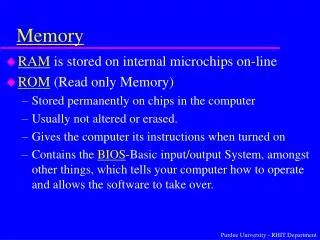
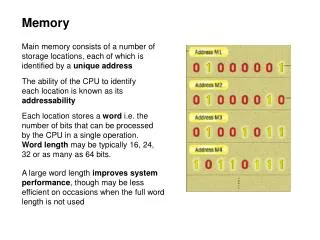
Basics • Memory: The ability to remember the things that we have experienced, imagined, and learned. • Information processing model: compares human memory to computer-like processes
Sensory Registers • Data entry points for raw info from the senses • We primarily rely on visual and auditory senses, esp in regards to our memory.
Attention • SELECTION of information to be further processed
Tell me, and I will forget. Show me, and I may remember. Involve me, and I will understand. ~Chinese Proverb
1,000,000,000,000,000,000,000,000,000,000,000,000,000,000,000,000,000,000,000,000,000,000,000,000,000,000,000,000,000,000,000,000,000,000,000,000Approximate number of molecules in the known universe 10108 1,000,000,000,000,000,000,000,000,000,000,000,000,000,000,000,000,000,000,000,000,000,000,000,000,000,000,000,000,000,000,000,000,000,000,000,000,000,000,000,000,000,000,000,000,000,000,000,000,000,000,000,000,000,000,000,000,000,000,000,000,000,000,000,000,000,000,000,000,000,000,000,000,000,000,000,000,000,000,000,000,000,000,000,000,000,000,000,000,000,000,000,000,000,000,000,000,000,000,000,000,000,000,000,000,000,000,000,000,000,000,000,000,000,000,000,000,000,000,000,000,000,000,000,000,000,000,000,000,000,000,000,000,000,000,000,000,000,000,000,000,000,000,000,000,000,000,000,000,000,000,000,000,000,000,000,000,000,000,000,000,000,000,000,000,000,000,000,000,000,000,000,000,000,000,000,000,000,000,000,000,000,000,000,000,000,000,000,000,000,000,000,000,000,000,000,000,000,000,000,000,000,000,000,000,000,000,000,000,000,000,000,000,000,000,000,000,000,000,000,000,000,000,000,000,000,000,000,000,000,000,000,000,000,000,000,000,000,000,000,000,000,000,000,000,000,000,000,000,000,000,000,000,000,000,000,000,000,000,000,000,000,000,000,000,000,000,000,000,000,000,000,000 Number of possible patterns and connections inside one human brain10802
Main Neuron Parts:• Soma: body of the cell• Dendrites: receive messages• Axon: sends messages