Understanding Total War and Its Impact During World War I
This lesson explores the concept of total war, where a nation mobilizes all its resources to support warfare, as exemplified in World War I. Students will examine trench warfare, the societal changes on the home front during the war, and the role of propaganda in shaping public opinion. Upcoming assessments include a debate on the justification of the U.S. use of atomic bombs in WWII and a test on May 11th. Discussion also highlights how WWI affected American lives at home, with a focus on drafts, women's roles, and rationing.

Understanding Total War and Its Impact During World War I
E N D
Presentation Transcript
Warm-up • What do you think the term total war means?
Announcements • Test will be Wednesday May 11th • Debate will be a full class debate • Debate topic: Was U.S. use of the atomic bomb justified in WWII? • Debate, Monday May 9th
Question of the Day • How did WWI affect the lives of Americans who were still at home?
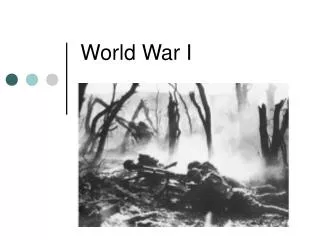
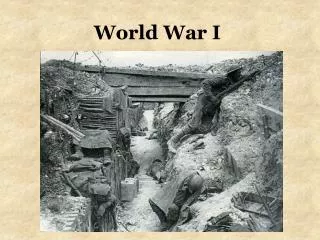
World War I • Total war- a war the involves all the resources of a country. • The mode of fighting during World War I was trench warfare
World War I: The U.S. • From 1914-1917 the war was at a stalemate. • Trench warfare slowed down the war. • When the U.S. entered the war they were able to shift the favor to the allied powers.
All Quiet on the Western Front • As you watch write down at least 5 words or phrases that describe trench warfare.
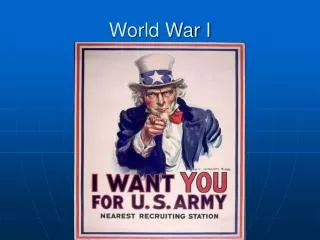
Propaganda • A form of communication that is aimed at influencing the attitude of a person or community toward some cause or position.
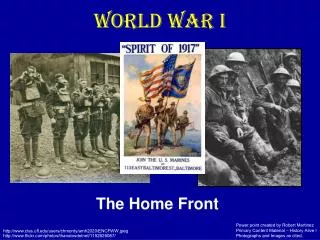
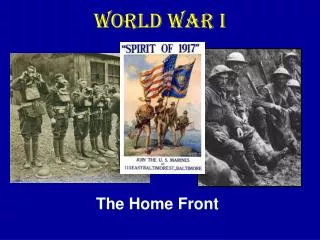
World War I on the home front • The whole nation was mobilized for war. • A draft was used and men were selected to join the army. • With the men gone, women were responsible for most of the wartime jobs including working in factories. • Rationing- limiting resources in a country in order to send it overseas
Limitation of Civil Liberties • Complete the folder pass.