Download
1 / 9
90 likes | 197 Views
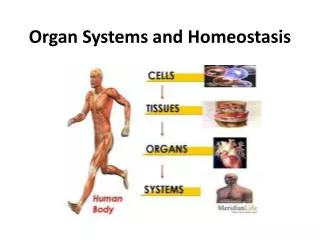
The human body is comprised of various interconnected systems that perform essential functions to maintain health and well-being. This guide covers the major body systems: Integumentary, Skeletal, Nervous, Respiratory, Circulatory, Immune, and Digestive. Each system plays a crucial role, from protecting deeper tissues and providing structure to controlling actions, circulating blood, and defending against diseases. Understanding these systems highlights the complex interactions that sustain life and ensure our bodies function effectively.

E N D
Body systems & technology by: jeremy Morgan
Integumentary systems • Reacts to external environments and environmental conditions • And protects the body deeper tissue
Skeletal systems • Holds organs in place • To provide structure support and stores • Minerals and generates blood
Nervous systems • Functions that controls • Center coordinating all actions • And reactions
Respitory systems • The respitory system • Uses breathing to supply oxygen to get the blood • Rid of carbon dioxide
Circulatory systems • Circulates blood to the body • Witch your body supplies oxygen and • Nutrients to the body and removes waste
Immune systems • Protects the body from diseases such • Caused by viruses and bacteria
Digestive systems • Breaks down food, but also • Absorbs food into the body
Body systems/work cited • Circulatory system • Respitory system • Digestive system • Excretory system • Immune system • Integumentary system • Skeletal system • Muscular system • Nervous system • Work cited/pictures • Website www.humanbody.net • Picture website www.googlechrome.com/images