Download
1 / 17
170 likes | 300 Views
Did you know that wool was the primary fiber for clothing in Europe during the Middle Ages? Sheep played a pivotal role in the wealth of medieval Spain and England. This lesson connects reflexive verbs in Spanish with fascinating historical context, teaching you how to use them effectively. We dive into the personal pronouns, practicing forms like "me," "te," "se," and more. Additionally, we explore fun facts about sheep and the significance of reflexive verbs in language, ensuring you grasp the concept with engaging examples!

E N D
Reflexive Verbs …and sheep
Wool was the major fiber used in the manufacture of clothes in Europe during the Middle Ages, and sheep were a major source of wealth in medieval Spain and England.
A flock of sheep in a street outside the city wall of Segovia, Spain.
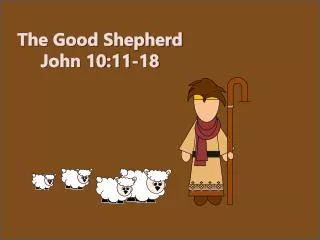
levantar se Think of the letter “r” like the shepherd’s staff—it grabs onto the pronoun and keeps it at the end.
me nos te os se se
levantarme levantarnos levantarte levantaros levantarse levantarse
levantomuytemprano. BUT WHEN THE ENDING IS DROPPED AND THE “R” IS REMOVED… THE PRONOUN RUNS TO THE FRONT!!! Me
Keep track of the pronouns! Don’t let them get away!! İSocorro! se
levantotemprano. Wait for me!! Me A good shepherd never loses his sheep.
FACT: Magicians are powerless over sheep ¡JAJAJAJA! Abracadabra! You will disappear!
What’s happening? My magic doesn’t work on sheep! ¡jajajaja! I’m here to stay! se
me nos te os se se
Reflexive verbs travel with _______________. Let’s review… pronouns me nos te os se se
The letter “r” acts like a ____________ to keep the ____________ attached. staff pronouns se
We are____________, not ____________. We cannot make the _________ disappear. shepherds magicians pronouns
bañarse (yo)- ________________ ducharse (tú)-_______________ vestirse (ella)-_______________ me baño te duchas se viste