Download

1 / 10
100 likes | 206 Views
Dive into the world of early humans and societies, uncovering their culture, tools, and ways of life through archaeology and artifacts. Discover the fascinating evolution of mankind from Hominids to Homo sapiens in the Neolithic Era.

E N D
Unit 2 – VocabularyEarly Humans and Societies Mrs. Kercher 7th Grade
History - the study of the past • Culture – the knowledge, beliefs, customs, and values of a group of people • Archaeology – the study of the past based on what the people left behind • Fossil – a part or imprint of something that was once alive • Artifacts – objects created by and used by humans
Primary Source – an account of an event created by someone who took part in or witnessed the event • Secondary Source – information gathered by someone who did not take part in or witness an event • Geography – study of the earth’s physical and cultural features • Prehistory – time in history before there was writing
Hominid – an early ancestor of humans • Ancestor – a relative who lived in the past • Homo habilis– handy man • Homo erectus – upright man • Homo sapiens – wise man • Tool – any handheld object that has been modified to help a person accomplish a task • Paleolithic Era – the first part of the Old Stone Age • Society – a community of people who share a common culture • Hunter-gathers – people who hunt animals and gather wild plants, seeds, fruits, and nuts to survive
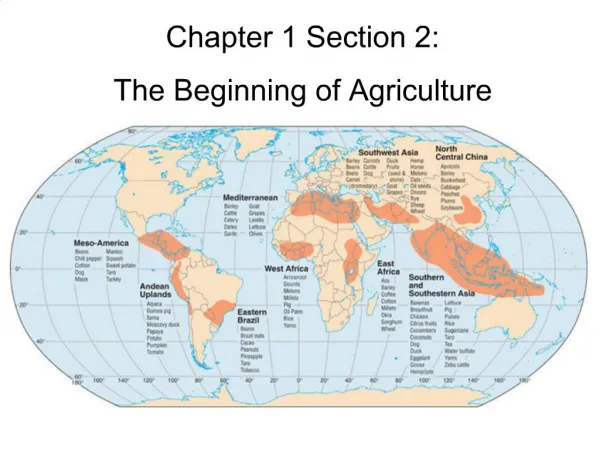
Migrate – to move to new places • Ice Ages – the freezing times during history • Land bridge – a strip of land connecting two continents • Mesolithic Era – the Middle Stone Age; man found new uses for bone and stone tool; bow • Neolithic Era – the New Stone Age; man could polish stones and make fire • Domestication – process of changing plants or animals to make them more useful to humans • Agriculture – farming • Megaliths – huge stones used as monuments