The Struggle for Ideological Change in 19th Century Europe
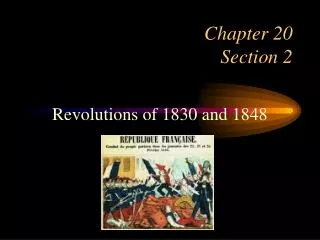
In the early 19th century, Europe faced a clash of ideologies as Conservatives sought to maintain monarchic power while Liberals and Nationalists pushed for revolutionary change. This conflict, notably highlighted during the Congress of Vienna in 1815, led to over 30 years of turmoil. The principle of Universal Manhood Suffrage emerged, granting voting rights to all adult men, challenging previous restrictions that limited votes to property-owning males. Additionally, the quest for autonomy by the Serbs in 1830 marked a significant moment in the decline of Ottoman control, leading to Serbia’s independence.


The Struggle for Ideological Change in 19th Century Europe
E N D
Presentation Transcript
Section 1 Chapter 20 Summer, Christen, Sunni, Fahim
Ideology • Who: Conservatives vs. Liberals/Nationalists • What: system of thought & beliefs • When: 1815 • Where: Europe • Why: opposing ideologies plunged Europe into more than 30 years of turmoil • at the Congress of Vienna, the Conservative powers of Europe tried to get rid of revolutionaries &Nationalists & conserve Europe under monarchs; The Liberals & Nationalists wanted change = opposed the Conservative ideals
Universal Manhood Suffrage • Who: adult men , liberals • What: the principle that gave all adult men the right to vote • When: 1800”s • Where: Europe • Why: used to be- only male property owners could vote, & role of Govt- limited to protecting freedom of religion, speech & thought- Later 1800s Liberals support this change= no more property owner but all adult men = poor people could vote = change in govts
Autonomy • Who: Serbs • What: self-rule • When:1830 • Where: Russia • Why: Ottoman Empire had controlled Serbia for 300 yrs- revolutions erupted b.c. Serbs wanted this self-rule; Russians helped the Serbs win autonomy from Ottoman rule= Ottoman’s Sultan leader agreed to formal independence= Serbia was now independent, & Self-ruling