Causes and Consequences of the Industrial Revolution: Child Labor and Working Conditions
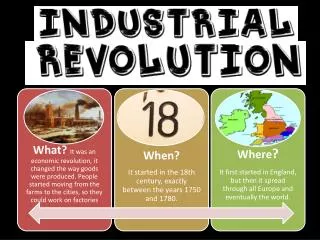
The Industrial Revolution was propelled by population growth and significant advancements in technology. Key factors included the willingness of people to invest, Britain's abundant coal supply, improved farming practices, and the development of new roads and banks. However, the "laissez-faire" policy led to harsh working conditions, particularly for children who faced severe abuse and little to no safety in factories. This text explores the causes of the Industrial Revolution and the devastating impact it had on child laborers and their treatment.

Causes and Consequences of the Industrial Revolution: Child Labor and Working Conditions
E N D
Presentation Transcript
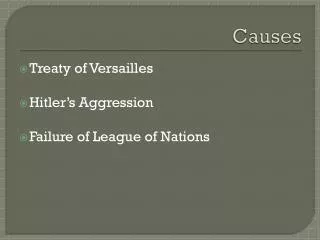
Therewasan Industrial Revolutionbecausethepopulationincreased… 1.- Peoplewerewillingtorisktheirmoney 7.- Therewas a “laissez-faire” policy, peopleshould be lefttogetonwiththeirlives 2.- Britainhadcoalwhichwasusedtopowerthe machines Industrial Revolution O R 6.- New machines wereinvented, as technology and scienceimproved Causes 3.- New roadswerebuild, helpingthetrade Population Growth 5.-New banks, peoplecouldborrowmoneytostarttheirfactories 4.-Farming improved, therewasenoughfoodtofeedthepopulation Thepopulationincreased so therewasan Industrial Revolution.
WorkingConditions And thelaws? Therewere no laws at allbecause of the“laissez-faire” policy, eachfactoryhadtheirownlaws & rules. This lead togreat abuse!!
TheChildren Treatment: Safety: Theyweretreatedcruelly, thepeoplewhichthechildrenservedyelled and beatedthem. A commonpunishmentwascalledthe “weighted”. Thisconsisted in tieing a weightto a workerneck and makehimwalkallaroundthefactory, so thechildrenwould “takeexample”. Therewas no safety at all, therewerelots of accidentsbecause of the machines. Millions of childrengotsevere injuries orsometimesdied. Children as young as 6 worked in the industrial revolution, withlittlepayorsometimesnot at all. Orphans: Orphansweretreatedlikeslaves. Factoriesofferedtheorphansfood, shelter and clothingbut at theendtheygavetheorphansthehardestwork and werethemostabused.
Sources • http://americanhistory.about.com/library/charts/blchartindrev.htm • http://wiki.answers.com/Q/What_were_the_working_conditions_of_the_Industrial_Revolution#slide6 • http://www2.needham.k12.ma.us/nhs/cur/Baker_00/2002_p7/ak_p7/childlabor.html • http://www.kidskonnect.com/subjectindex/16-educational/history/271-industrial-revolution.html plus History Ring Binder!! Daniela de las Casas 2FC