The Impact of Value Pricing on American Airlines: Strategies and Outcomes in the Airline Industry
In April 1992, American Airlines (AA) introduced Value Pricing, prompting major carriers to adopt similar strategies quickly. TWA’s fare cuts led to a wave of pricing wars among airlines, resulting in significant fare reductions. NWA's "Grownups Fly Free" promotion challenged AA, which subsequently responded with half-price summer fares. This heated competition led to accusations of predatory pricing, resulting in a noteworthy legal battle that AA ultimately won. Despite initial enthusiasm, Value Pricing was abandoned by AA in October 1992. The case reveals complexities in pricing strategy and competitive dynamics in the airline industry.

The Impact of Value Pricing on American Airlines: Strategies and Outcomes in the Airline Industry
E N D
Presentation Transcript
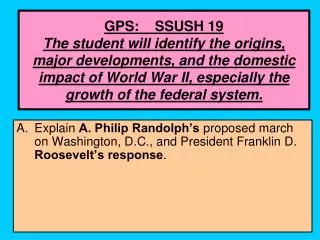
Value pricing - continued • Within a day or two after AA announcement on April 9, new structure is adopted by most major carriers • Industry watchers applaud Value Pricing: “brilliant move” • April 12: TWA undercuts AAnytime fares by 10-20% • Further cuts by Am. West, Continental, USAir same week • AA makes selected price cuts • May 26: NWA announces “Grownups Fly Free” for the summer months: free ticket to >12 accompanied by paying 2-17 yr. old • How should American respond?
Value pricing – the end • AA responds next day with half-price fares for everyone during summer months • Crandall: must hold on to structure! • Observer: “NW airlines aimed a water pistol at American. American responded with a fire hose” • NWA and Continental sues American for predatory pricing in summer 1992 • American wins the case in July 1993 • Is predatory pricing likely to be a successful strategy in airline industry? • American abandoned Value pricing in October 1992
American Airlines takeaways • (Messy) illustration of factors that make price coordination easy or difficult: transparency vs. asymmetries and excess capacity • In this case, lots of rhetoric to cut through. E.g. • “Lower fares” – How are customers really affected? • “Increase revenue” – consistent with elasticities? • Effects of change in price level on demand, revenue, market share etc. depend on how rivals respond. • Crandall should have anticipated (and probably did) that most rivals would immediately match price cuts.
American Airlines takeaways (2) • Change in fare structure • Isn’t price discrimination normally good for airlines? Why move away from that? • Connect Value Pricing to theory about industry factors and facilitating practices • Fewer products, no secret price cuts, pricing formula, price leadership • Value pricing didn’t work, but was it a good or bad idea? To what extent could/should Crandall have foreseen what others would do?