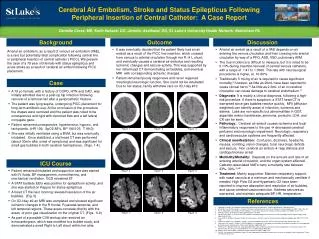
Empowering Patients: Reducing Hospital Utilization through Support and Intervention
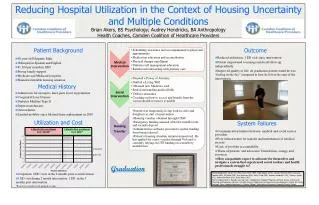
This case study highlights the journey of a 48-year-old Hispanic male facing homelessness and multiple health challenges, including diabetes, depression, and congenital liver disease. Following a targeted intervention, the patient experienced significant improvements, including a reduction in emergency department visits and enhanced self-management of his health. With a supportive family and guidance from health coaches, he reported feeling greatly improved, asserting he was “feeling in the sky” at graduation. This outcome underscores the importance of addressing both medical and social determinants of health.

Empowering Patients: Reducing Hospital Utilization through Support and Intervention
E N D
Presentation Transcript
PatientBackground Outcome • Reduced utilization: 1 ED visit since intervention • Patient empowered to manage medical follow-up independently • Improved quality of life: At graduation patient stated he was “feeling in the sky” compared to how he felt at the start of the intervention. • 48-year-old Hispanic Male • Bilingual in Spanish and English • $1,100 per month in SSD • Strong family support • Medicare and Medicaid recipient • Homeless/unstable housing situation • Admissions for urosepsis, knee pain, fever, hypotension • Congenital Liver Disease • Diabetes Mellitus Type II • Depression/Anxiety • Osteoarthritis • Limited mobility since bilateral knee replacement in 2010 Reducing Hospital Utilization in the Context of Housing Uncertainty and Multiple ConditionsBrian Akers, BS Psychology; Audrey Hendricks, BA AnthropologyHealth Coaches, Camden Coalition of Healthcare Providers Medical History Utilization and Cost System Failures • Communication failures between medical and social service providers • Poor infrastructure for transfer and maintenance of medical records • Lack of provider accountability • Waste of patients’ and advocates’ limited time, energy, and resources • How can patients expect to advocate for themselves and navigate a system that experienced social workers and health professionals struggle to? Intervention • 2 inpatient, 0 ED visits in the 6 months prior to intervention • 1 ED visit during 2 month intervention, 1 ED in the 3 months post intervention • *Based on estimated total hospital receipts Graduation Acknowledgments: Jason Turi (RN), Elisa Perin (RN), Hilda Mateo (LPN), Jeneen Skinner (LPN), Jessica Cordero (MA), Bill Nice (SW), Ana Johnson (SW), Kelly Craig (SW), Audrey Hendricks (HC), Carolyn Junior (HC), Katharine Royer (HC), Brian Akers (HC) Partner organizations: Bayada, Loving Care, Collaborative Support Programs of New Jersey, Community Planning and Advocacy Council, Camden County Department of Community Development, Center for Family Services, Ferry Landing Apartments (Conifer Village), Volunteers of America, Hispanic Family Center