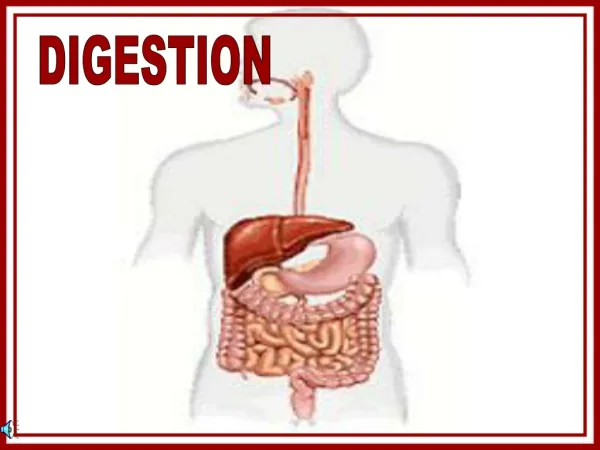
DIGESTION 3
DIGESTION 3. INTESTINAL MOVEMENTS. PERISTALSIS. PERISTALSIS. ENDOSCOPY. INTESTINE FACTS. THE PANCREAS. ITZA ENDOCRINE GLAND INSULIN PANCREATIC JUICES HAVE ENZYMES LIKE CARBOHYDRASES LIPASES NUCLEASES. Figure 24.18 The Pancreas. Figure 24.18a-c. INSULIN PATHWAY.

DIGESTION 3
E N D
Presentation Transcript
INTESTINAL MOVEMENTS • PERISTALSIS PERISTALSIS ENDOSCOPY INTESTINE FACTS
THE PANCREAS ITZA ENDOCRINE GLAND INSULIN PANCREATIC JUICES HAVE ENZYMES LIKE CARBOHYDRASES LIPASES NUCLEASES
Figure 24.18 The Pancreas Figure 24.18a-c
Figure 24.22 The Activities of Major Digestive Tract Hormones Figure 24.22
Figure 24.19 The Anatomy of the Liver HEPATIC Figure 24.19b, c
The gallbladder • Hollow, pear-shaped organ • Stores, modifies and concentrates bile
LARGE INTESTINE • REABSORB WATER AND COMPACT MATERIAL INTO FECES • ABSORB VITAMINS PRODUCED BY BACTERIA • STORE FECAL MATTER PRIOR TO DEFECATION • HAS 2 PARTS, CECUM AND COLON
Figure 24.23 The Large Intestine Figure 24.23a
Figure 24.23 The Large Intestine Figure 24.23b, c
The rectum • LAST PORTION OF THE DIGESTIVE TRACT • TERMINATES AT THE ANAL CANAL • INTERNAL AND EXTERNAL ANAL SPHINCTERS • HEMORRHOIDS
PROCESSES IN THE LARGE INTESTINE • REABSORPTION IN THE LARGE INTESTINE INCLUDES: • WATER • VITAMINS – K, BIOTIN, AND B5 • ORGANIC WASTES – UROBILINOGENS AND STEROBILINOGENS • BILE SALTS • TOXINS • MASS MOVEMENTS OF MATERIAL THROUGH COLON AND RECTUM • DEFECATION REFLEX TRIGGERED BY DISTENTION OF RECTAL WALLS
Figure 24.25 The Defecation Reflex Figure 24.25
Processing and absorption of nutrients • Disassembles organic food into smaller fragments • Hydrolyzes carbohydrates, proteins, lipids and nucleic acids for absorption
Carbohydrate digestion and absorption • Begins in the mouth • Salivary and pancreatic enzymes • Disaccharides and trisaccharides • Brush border enzymes • Monosaccharides • Absorption of monosaccharides occurs across the intestinal epithelia
Lipid digestion and absorption • Lipid digestion utilizes lingual and pancreatic lipases • Bile salts improve chemical digestion by emulsifying lipid drops • Lipid-bile salt complexes called micelles are formed • Micelles diffuse into intestinal epithelia which release lipids into the blood as chylomicrons
Protein digestion and absorption • Low pH destroys tertiary and quaternary structure • Enzymes used include pepsin, trypsin, chymotrypsin, and elastase • Liberated amino acids are absorbed
Absorption • Water • Nearly all that is ingested is reabsorbed via osmosis • Ions • Absorbed via diffusion, cotransport, and active transport • Vitamins • Water soluble vitamins are absorbed by diffusion • Fat soluble vitamins are absorbed as part of micelles • Vitamin B12 requires intrinsic factor
Figure 24.27 Digestive Secretion and Absorption of Water Figure 24.27
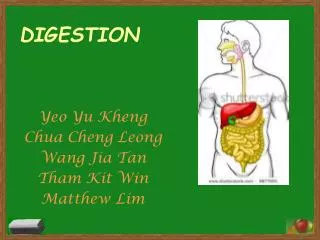
Figure 24.1 The Components of the Digestive System Figure 24.1