The Importance of Personal Beliefs and Moral Development
Personal beliefs shape our actions and decisions, often leading people to act "on principle." This concept aligns with Kohlberg's Mountain of Moral Development, which illustrates how moral reasoning evolves. Higher levels of morality involve understanding underlying principles and virtues, referencing the idea of Areté, where excellence is connected to knowledge and moral behavior. In examining the Samurai vs. Ninja, we explore virtues within the framework of Bushido, emphasizing honor, respect, and courage. Understanding these concepts can guide our actions and ethical decision-making.


The Importance of Personal Beliefs and Moral Development
E N D
Presentation Transcript
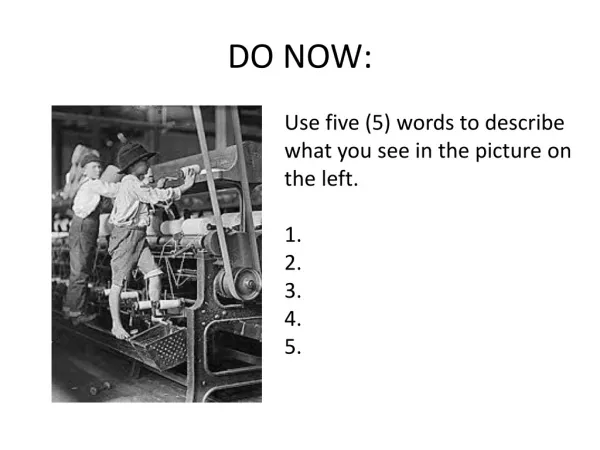
Is having personal beliefs important? Why?Often people say they ‘did something on principle.’Using Kohlberg’s Mountain of Moral Development, what do you think that means? DO NOW
Homework: Areteἀρετή • Aretéis explicitly linked with human knowledge, where the expressions "virtue is knowledge" and "Areté is knowledge" are used interchangeably. The highest human potential is knowledge and all other human abilities are derived from this central capacity. If Areté is knowledge and study, the highest human knowledge is knowledge about knowledge itself; in this light, the theoretical study of human knowledge, which Aristotle called "contemplation," is the highest human ability and happiness.” • Make a to-do list for the semester – in the Arete tradition of morals and virtues.
7.1: Welcome to Unit 7! Eastern Civilizations 7.1 AGENDA • 1. Turn in Current Event Project, final words? (10 min) • 2. Sylvia’s Peru Slideshow (10 min) • 3. Homework Preview (5 min) • 4. Do Now (5 min) • 5. Samurai vs. Ninja (23 min) • 6. Exit Ticket (5 min) • 7. Pack up (2 min)
OBJECTIVES • I will be able to describe the differences between Samurai and Ninja • I will be able to compare and contrast the motivations of the Samurai and the Ninja. • I will be able to explain why at ASA we strive to be Samurai.
SAMURAI • Sometimes called the ‘Bushi’ • Military class of Japanese warriors • Men and women • Fought with many weapons, but the most famous was the sword • Followed a Code of Honor called Bushido • It means ‘Way of The Warrior’
BUSHIDO – 7 VIRTUES • 1. “Gi” The right decision is fair and equal. • 2. “Yu”Courage. • 3. “Jin” Benevolence, Kindness and Generosity • 4. “Rei” The Proper Behavior, Courtesy and Respect • 5. “Makoto” Honesty, Honorable & Moral • 6. “Meiyo” Success, Honor and Glory. • 7. “Chungi” Devotion and Loyalty, Dedicated
NINJA • The ninja were the secret assassins of Japan • They did not have a code – they took the jobs that paid the most • They were hired by lords to: • Assassinate • Spy • Sabotage • They specialized in being hidden and secret
What determines the actions of…. Bushido – their code The person who hired them The Ninja? • The Samurai?
THINK, PAIR, SHARE • What is the difference between a Ninja and a Samurai? • What did you and your partner talk about?
Scenario #1 • While walking to your Social Studies class, you notice that a fellow classmate is being beat up by a group of students.
Scenario #2 • It is near the end of the year and you already know that you are getting an M for your final grade in the class. However, your teacher has offered you the opportunity to do an extra credit project that will require a lot of research and writing to earn an E for the year.
Scenario #3 • Another student offers you $5 to do their homework.
CLOSING • Review • Exit Ticket