Designing an Efficient Windmill: Challenges and Solutions in Electricity Generation
This project explores the design and construction of a windmill that generates electricity using simple materials such as plywood, wood stands, and fan blades. The wind causes the fan blades to spin, which turns magnets in relation to a wire coil, generating electric current that powers a light bulb. Despite numerous challenges, including coil size and efficiency, we discovered that the right combination of strong magnets and small coils was crucial for functionality. Our final output voltage was only 1.5V against an input requirement of 120V, resulting in low efficiency at 1.25%.

Designing an Efficient Windmill: Challenges and Solutions in Electricity Generation
E N D
Presentation Transcript
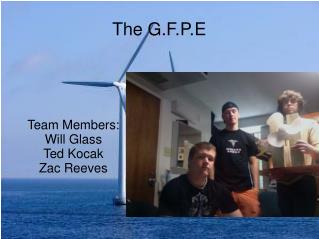
Team Members: Will Glass Ted Kocak Zac Reeves The G.F.P.E
The Device • Plywood Base • 2x4 Wooden Stands • Fan Blades • Small Box • Magnetic Wire • Magnets • Light Bulb
How Windmill Works • Wind Spins Fan Blades • Fan Blades Turn Magnets Perpendicular To The Wire Coil • Magnets Disrupt Magnetic Field Of Coil • This Causes Electric Current • Electric Current Lights Bulb
Problems • Wire Coil Needs To Be Small • We Tried Several Different Sizes Of Coil • The Only Coil That Generated Electricity Was Barely Bigger Than The Magnets • This Caused Several Designs To Be Scrapped
Efficiency • Voltage Required To Power Desk Fan: 120 V • Voltage Our Fan Produces: 1.5 V • Efficiency = Output / Input • 1.5 / 120 = .0125 = 1.25%
Conclusions • Strong Magnets And Small Coils Are The Key To This Project • Generating Electricity Is Not An Easy Task