Download

1 / 9
90 likes | 198 Views
Intro to Meiosis. Chromatin Unwound, stringy In interphase Chromatids ½ of a replicated chromosome In Prophase, Metaphase Chromosome After the sisters split in Anaphase, they are separate chromosomes (until they unwind into chromatin again). Remember your DNA lingo….

E N D
Chromatin Unwound, stringy In interphase Chromatids ½ of a replicated chromosome In Prophase, Metaphase Chromosome After the sisters split in Anaphase, they are separate chromosomes (until they unwind into chromatin again) Remember your DNA lingo…
Let’s look more closely at a chromosome… • Genes are pieces of chromosomes that code for a protein/trait. There are different versions that create different traits (ex- hair color)
Homologues • You have 23 pairs of chromosomes. In each pair you received one from your mom and one from your dad. Each pair is similar, but not exactly alike…we call them • HOMOLOGOUS PAIRS Note that the chromosomes have the gene in the same place, but different versions of it. (one may be for brown hair, one for blonde)
Do NOT confuse these with sister chromatids • Chromatids are exact copies of each other made by replication • Homologous pairs are similar chromosomes that are the result of fertilization
1m 1p 1m 1m 1p 1p Sister chromatids -exact copies connected by a centromere Homologous Pairs similar copies of a chromosome One maternal, one paternal or
Haploid vs. Diploid • DIPLOID CELLS: have two copies of each chromosome (one from mom AND one from dad) • Has the homologous pairs • Somatic cells (body cells) • Made by mitosis or fertilization • “2n” • In this picture, what is “n”? • n=2
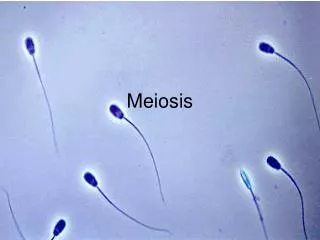
Diploid vs. Haploid • Haploid cells:Have only ONE copy of each chromosome. • NO HOMOLOGOUS PAIRS present • Gametes (sex cells: egg and sperm) • Made by MEIOSIS • “1n”