Download
1 / 14
140 likes | 258 Views
Macromolecules are essential for life, including carbohydrates, lipids, proteins, and nucleic acids. Carbohydrates, like glucose and galactose, provide immediate energy and structural support, whereas lipids serve as a dense energy storage and insulation source. Proteins are crucial for building and repairing tissues, while nucleic acids like DNA and RNA transmit genetic information. This overview discusses their structures, functions, and food sources, highlighting how these macromolecules are vital for growth, energy, and overall health.

E N D
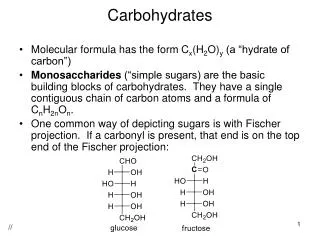
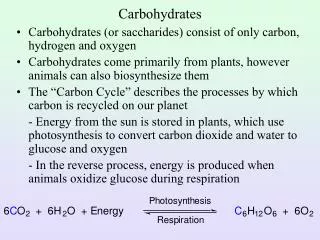
CARBOHYDRATES Monosaccharides(simple sugars) chain together to form Polysaccharides (complex carbs)Carbohydrates provide the body with ENERGY. Some STRUCTURAL SUPPORT Glucose Galactose Lactose
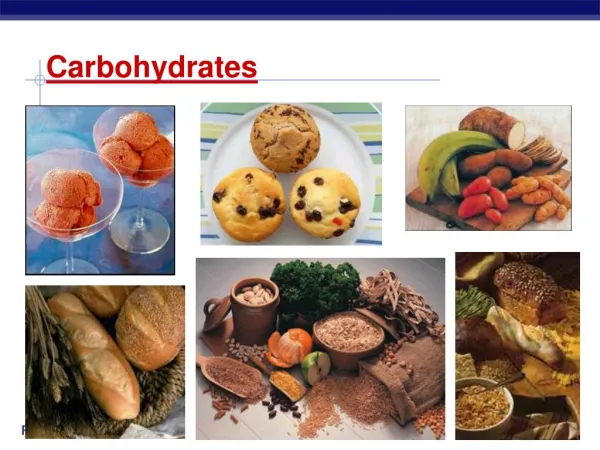
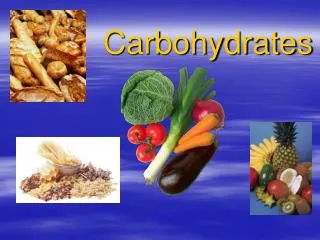
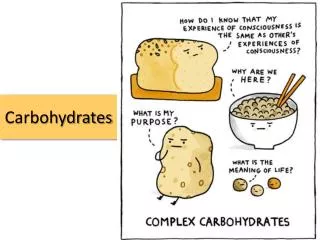
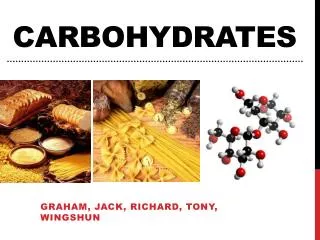
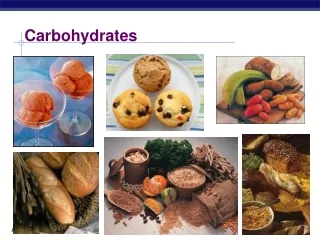
CARBOHYDRATES SIMPLE carbs are found in most candy, sweets, fruits, vegetables, and milk Used for short bursts of energy COMPLEX carbs are found in pasta, bread, potatoes, and corn. Used for long-term energy
LIPIDS LIPIDS are made up of fatty acids– chains of hydrocarbons from a carboxyl head
LIPIDS LIPIDS are found in meat and fish, oils, avocados, eggs, nuts, etc.
Glucose(Simple carb) Triglyceride(fatty acids) Energy is released when the bonds are broken between the smaller atoms
Fats (lipids) are an effective way to store a LOT of energy for LONG periods of time
PROTEINS Proteins are made up of amino acids. Amino acids chain together through peptide bonds. Proteins build and repair tissues, like muscles
PROTEINS PROTEINS are found in meat and fish, legumes, nuts, milk, eggs, dairy products, and soy products
DNA NUCLEIC ACIDS store and transmit genetic information. DNA/RNA is made up of Nucleotides – A, T, G, C, *U
All cells are made up of these small building blocks called macromolecules • The four basic types of macromolecules are- Nucleic Acids (DNA and Genetics)- Carbohydrates- Lipids - Proteins • Macromolecules are “polymers” of smaller monomers