Download

1 / 6
0 likes | 3 Views
Private ENT London is a specialist ear, nose and throat service led by an experienced Consultant ENT Surgeon. The practice offers personalised care for both adults and children with a wide range of ENT conditions.

E N D
Why Early ENT Assessment Matters When Ear Symptoms Don’t Go Away
Most people experience occasional ear discomfort, perhaps after a flight or during a cold, and these symptoms typically resolve on their own. When ear problems persist beyond a few weeks, many assume it’s nothing serious and wait for improvement. This waiting period can stretch into months, during which underlying conditions may worsen or become harder to treat effectively. Persistent ear symptoms deserve attention from a specialist, particularly when they interfere with daily life or show no signs of improving. A Private ENT London consultation provides thorough diagnostic evaluation that goes beyond basic checks, identifying causes that standard examinations might miss. Specialist assessment combines advanced imaging, detailed audiometry, and microscopic examination to uncover issues ranging from simple wax buildup to complex inner ear pathology requiring targeted intervention. When Temporary Becomes Chronic Recognising The Warning Signs: Ear symptoms that last more than three weeks should raise concern, especially when accompanied by hearing changes or balance problems. Patients often dismiss prolonged tinnitus, muffled hearing, or pressure sensations as temporary nuisances that will eventually disappear. These symptoms may indicate conditions like Eustachian tube dysfunction, otosclerosis, or early acoustic neuroma that benefit significantly from early detection and management. The Risk Of Delayed Diagnosis: Waiting months before seeking specialist care can allow treatable conditions to progress unnecessarily. Chronic middle ear fluid may lead to permanent hearing loss in children, whilst untreated cholesteatoma can erode delicate ear structures and cause serious complications. Early ENT assessment identifies these conditions before they cause irreversible damage or require more extensive surgical correction. Common Persistent Ear Problems
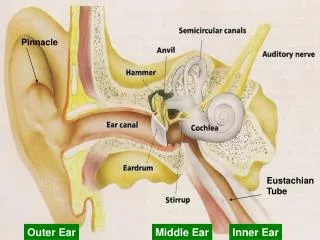
Several conditions commonly cause ongoing ear symptoms that patients underestimate: Chronic otitis media with effusion: Fluid remains trapped behind the eardrum for months, causing hearing loss and recurrent infections that affect work performance and communication. Eustachian tube dysfunction: Persistent pressure sensation and popping sounds indicate the tube connecting ear to throat isn’t functioning properly, requiring specialist techniques to restore normal ventilation. Wax impaction: Hardened earwax pressed against the eardrum causes discomfort, hearing loss, and tinnitus that simple over-the-counter drops cannot resolve effectively. Early Meniere’s disease: Fluctuating hearing loss, fullness, and occasional vertigo episodes signal inner ear fluid imbalance needing prompt medical management to prevent progression. • • • • The Specialist Assessment Difference Comprehensive Diagnostic Approach: ENT specialists employ equipment and techniques unavailable in general practice settings. Microscopic ear examination reveals subtle eardrum changes, whilst tympanometry measures middle ear function precisely, detecting problems that basic otoscopy cannot identify. Pure tone audiometry maps hearing thresholds across frequencies, distinguishing conductive from sensorineural losses and guiding treatment decisions. Beyond Surface-Level Checks: General practitioners provide excellent initial care but lack the specialised tools for detailed ear evaluation. ENT assessment includes endoscopic examination of the nasal passages and Eustachian tube openings, identifying anatomical issues contributing to ear symptoms. When standard tests prove inconclusive, specialists arrange temporal bone CT scans or MRI imaging to visualise inner ear structures and rule out serious pathology.
Personalised Treatment Planning: Following thorough assessment, specialists develop treatment plans addressing underlying causes rather than temporarily masking symptoms. This might involve medical management with targeted medications, minimally invasive procedures like grommet insertion, or surgical correction of structural abnormalities. The approach focuses on long-term resolution rather than short-term relief that leaves root problems unaddressed. Advantages Of Private ENT Care Reduced Waiting Times: NHS referral pathways can involve months of waiting before seeing a specialist, during which symptoms may worsen considerably. Private assessment typically occurs within days, allowing prompt diagnosis and treatment initiation when conditions are most responsive to intervention. This rapid access prevents the frustration and anxiety that accompanies prolonged uncertainty about persistent symptoms. Extended Consultation Time: Private appointments allow specialists to thoroughly discuss symptoms, examine patients carefully, and explain findings comprehensively without time pressures affecting standard NHS clinics. Patients receive detailed explanations of their condition, treatment options, and expected outcomes, enabling informed decision-making about their care pathway. Coordinated Care Pathway: Private ENT services provide seamless coordination between initial consultation, diagnostic testing, treatment, and follow-up appointments. Patients experience continuity with the same consultant throughout their care journey, avoiding the fragmented approach that sometimes occurs in busy NHS departments where multiple clinicians may be involved.
What Happens During Assessment Initial Consultation: The specialist takes a detailed history of your symptoms, their onset, aggravating factors, and impact on daily activities. This conversation provides crucial diagnostic clues that direct examination and testing priorities. Previous treatments and their effectiveness inform the specialist’s understanding of your condition’s behaviour. Examination And Testing: Physical examination includes microscopic inspection of both ears, assessment of hearing with tuning forks, and evaluation of balance function when appropriate. Based on findings, the specialist may perform tympanometry, arrange audiometry, or order imaging studies to complete the diagnostic picture before discussing treatment options. Conclusion Persistent ear symptoms warrant specialist evaluation rather than continued observation that risks complications or irreversible damage. Early ENT assessment identifies underlying causes accurately, enabling targeted treatment that addresses problems at their source rather than temporarily relieving symptoms. If you’ve experienced ongoing ear discomfort, hearing changes, or balance issues for more than a few weeks, consulting an ENT specialist provides the detailed evaluation needed for effective resolution. Don’t let treatable conditions progress unnecessarily when specialist expertise can restore your ear health and quality of life.
Source URL: https://pronoverite.org/why-early-ent-assessment- matters-when-ear-symptoms-dont-go-away/









![[Epub] The Scout Mindset: Why Some People See Things Clearly and Others Don't Full](https://cdn5.slideserve.com/11106377/slide1-dt.jpg)