The Role of Chloroplasts in Photosynthesis and Plant Growth Factors
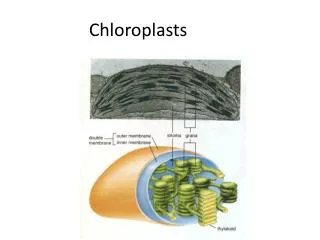
Chloroplasts are essential organelles in plant cells, composed of grana, which are stacks of green disks made of thylakoid membranes where light reactions occur. Surrounding the grana is the stroma, where dark reactions take place. Several factors influence plant growth, including light, temperature, pH, water, and essential nutrients like nitrogen, phosphorus, and sulfur. Understanding these factors and how they interact is crucial for optimizing plant health and maximizing photosynthesis efficiency.

The Role of Chloroplasts in Photosynthesis and Plant Growth Factors
E N D
Presentation Transcript
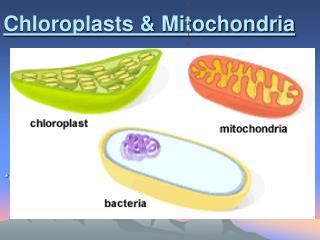
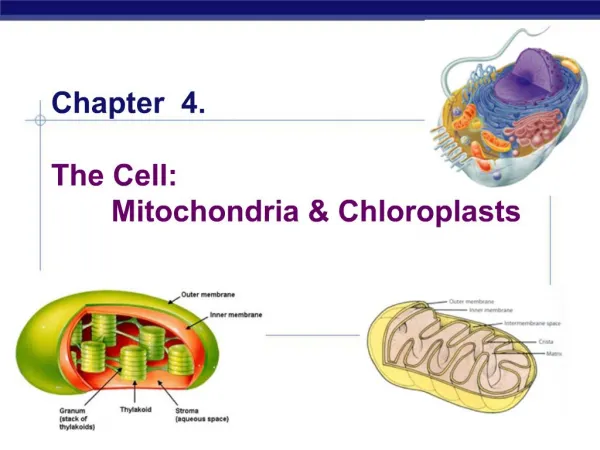
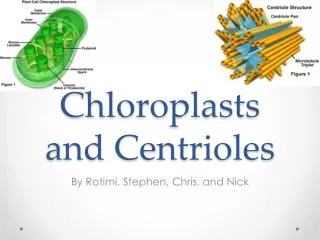
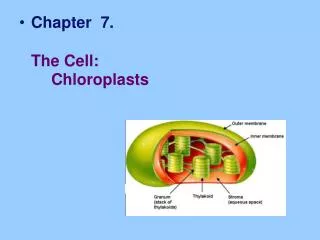
Chloroplasts • Composed of stacks of green disks called grana. • Each disk is made of a thylakoid membrane; light reactions take place here. • Stroma is the space around the grana where the dark reactions take place
Factors that Affect Plant Growth All plants require the following factors, but the amount or level depends on the particular type of plant. 1. Light: Greenwavelengths of light are reflected by chlorophyll(pigment in chloroplasts) and cannot be used for photosynthesis. Blue and Red wavelengths of light are readily absorbed by chlorophyll and optimal for photosynthesis
2. Temperature: optimal temperature range for most plants is 0o-40oC 3. pH: optimal pH range for most plants is 5.5 and 7.0 4. Water 5. Nutrients: include nitrogen(N), phosphorus(P), and sulfur(S)