Download
1 / 1
10 likes | 108 Views
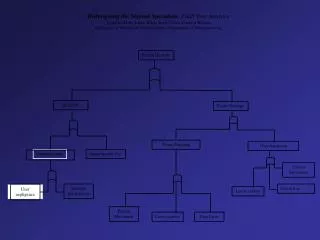
This study by Victoria Hicks, Laura Riley, Rena Tchen, and Caressa Watson from the University of Pittsburgh addresses patient hazards associated with vaginal speculum use. Fault tree analysis is employed to identify possible risks, such as infection, tissue damage, pinching, contamination, overexpansion, and more. By pinpointing factors like loose screws, patient movement, user error, and negligence, the research aims to improve speculum design to enhance patient safety and prevent adverse outcomes.

E N D
Redesigning the Vaginal Speculum: Fault Tree Analysis Victoria Hicks, Laura Riley, Rena Tchen, Caressa Watson University of Pittsburgh, Undergraduate Department of Bioengineering Patient Hazards Infection Tissue Damage Tissue Pinching Overexpansion Contamination Inappropriate Use Patient Movement Improper Sterilization User Error User negligence Loose screws Patient Movement Loose screws User Error