Coastal Restoration Initiatives in Mobile, Alabama: Building Resilient Shorelines
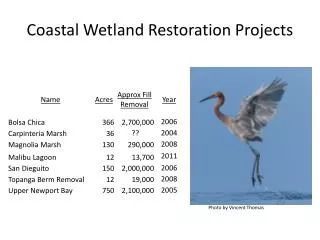
The Nature Conservancy has successfully completed various living shoreline projects in Mobile, Alabama, including Helen Wood Park and the Swift Tract. These initiatives aimed at creating 1.5 miles of oyster reef breakwaters through a $2.9 million American Recovery and Reinvestment Act project. The restoration enhances critical habitats, protects shorelines, and creates job opportunities. With a dedicated team, approximately 150,000 bags of oyster shells and innovative Reef Balls were employed to restore ecosystems and demonstrate sustainable alternatives to traditional bulkheads.


Coastal Restoration Initiatives in Mobile, Alabama: Building Resilient Shorelines
E N D
Presentation Transcript
Jeff DeQuattro Mobile, Alabama Coastal Projects Manager The Nature Conservancy Photo by Beth Young
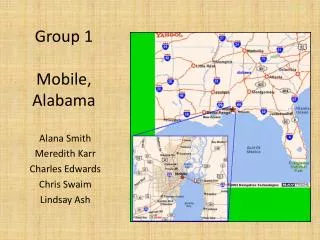
Alabama Living Shoreline Projects Completed Mobile, Alabama Helen-Wood Park – 300 meters The Swift Tract – 1,715 meters Coffee Island – 1500 meters Bon Secour Bay – ~250 meters Alabama Port – 750 meters
American Recovery and Reinvestment Act Project in Mobile, AL $2.9 Million to create 1.5 miles of oyster reef breakwaters • Create healthy oyster reefs to act as living shoreline breakwaters • Enhance critical habitat fish and invertebrates • Protect shorelines • Create jobs • Heavy pre-and-post restoration scientific monitoring. • Demonstrate alternative to bulkheads • Socio-Economic Survey • Demonstrate how larger-scale oyster restoration improves environmental/economic resiliency.
Bagged Oyster Shell • Full time crew of 12 to 20 people • ~150,000 bags of oyster shell
Reef Balls • Full time crew of about 6 people • 3,168 Mini-Bay Reef Balls
ReefBLK • Full time crew of about 8 to 10 people • 492 ReefBLK units Photos by Beth Young and JoeBay Aerials
Socio-Economics of the ARRA Project in Alabama Number of Positions at Height of the Project = 84 positions Average Positions for almost 3 years (33 months) = 31.5 positions
ARRA efforts leading to larger scale restoration • Identified areas to restore • by consulting with… • Natural Resource Managers • Scientists • Commercial Fishers • Charter Fishers • Recreational Fishers • Community Leaders • Underserved Communities • Best Available Data
Socio-Economics of Restoration – Job Training Photos by Andrew Kornylak
Thank You! Photo by Jeff DeQuattro