Download
1 / 42
420 likes | 535 Views
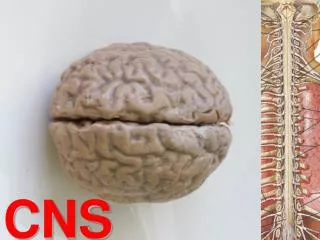
Central Nervous System (CNS) malignancies comprise primary brain tumors, which account for 2% of all cancers and exhibit a rising incidence, especially among elderly patients. Clinical presentations often include headaches, seizures, and focal neurologic deficits. Key differential diagnoses involve primary and metastatic tumors. Diagnostic imaging like CT and MRI are vital for management planning. Effective treatment strategies include maximal resection, chemotherapy, and radiation therapy. Awareness of risk factors and current trends in CNS malignancies is crucial for optimal patient care.

E N D
CNS Malignancy • Primary brain tumors • 2% of all cancers • Mortality 4.6/100,000 person years • Incidence increasing • Brain mets can occur in up to 40% of all solid tumors • PCNSL incidence increasing
Clinical presentation • Headache • Seizure • Focal neurologic deficit • Confusion • Memory loss • Personality change • Nausea/vomiting
Differential Diagnosis • Primary brain tumor • Malignant • Glioma • Lymphoma • Benign meningioma, adenoma, schwannoma • Metastatic brain tumor • Vascular • Cerebellar hemorrhage: vascular anomaly, hypertensive, intratumoral • Cerebellar infarct: embolic, thrombotic • Infection: • Abcess, virus, progressive multifocal leukoencephalopathy • Inflammatory: • Multiple sclerosis • Post-infectious encephalomyelitis
T1 Contrast
Imaging • Diagnosis • CT • MRI • SPECT • Treatment planning • Functional MRI • Monitoring response • Diffussion-weighted, diffusion tensor, dynamic-contrast-enhanced, perfusion
Additional work-up • History and physical for evidence of an extracranial primary or other disease • Appropriate imaging to look for that primary • Avoid corticosteroids if lymphoma or infection is suspected
Neurosurgery • Who should get a biopsy? • Diagnosis in question • Results will influence management • Do not need immediate relief of symptoms • Non resectable; critical location • Suspect low-grade glioma or PCNSL • Alternate diagnosis? • 11% of 56 enrolled on surgery trial had alternate diagnosis on central pathology review Patchell RA, et al., A randomized trial of surgery in the treatment of single metastases to the brain. N Engl J Med 322:494-500, 1990.
Primary Brain Tumors • Malignant gliomas • 70% of primary brain malignancy • 14,000 cases/year in US • Incidence increasing, esp. in elderly • 40% more common in men • Twice as common in whites • Median age 64 (GBM) or 45 (AA) • Others
Primary Brain Tumors • Etiology • Ionizing radiation risk factor • No association with head injury, food, occupation, electromagnetic fields, cell phones • Reduced risk with atopy, high IgE levels • Family history • 5% are familial, most without known cause • NF type 1 or 2, Li-Fraumeni syndrome, Turcot syndrome
Initial medical management • Corticosteroids: oral dex 4-16 mg/day • Anti-epileptics: leviteracitam • VTE treatment/prophy • Stimulants: modafenil, methylphenidate, donepezil, memantine • Anti depressants
CORTICOSTEROIDS ANTI EPILEPTICS VTE TREATMENT/PROPHY ANTI NEOPLASTIC THERAPY STIMULANTS ANTI DEPRESSANTS
Anti-neoplastic therapy • Surgery: maximal resection • Radiotherapy: WBRT • Chemotherapy: TMZ Stupp R, et al., Radiotherapy plus concomitant and adjuvant temozolomide for glioblastoma. N Engl J Med 2005; 352:987-96.
Molecular genetics • MGMTpromotormethylation (GMB) • Decreased DNA repair activity • Increased susceptibility to TMZ • 1p 19q deletion (anaplasticoligodendrogliomas and anaplasticoligoastrocytomas) • Increased sensitivity to PCV • Reason unknown
Brain metastases • Rates • Represent >50% of all intracranial tumors • 40% of cancers will develop brain mets • Common tumors • Lung • Breast • melanoma • Sites • 90-95% solid parenchymal, 5-10% meningeal • 37-50% solitary, 50-63% multiple
Brain Metastases Prognosis • 1-6 month survival • Improved by (RTOG prognostic index): • Age <65 • KPS >70 • Controlled primary w/out extracranialmets • Other favorable factors: • Solitary met • Response to corticosteroids • Longer disease-free interval • Breast cancer diagnosis
Brain metastases Differential diagnosis • Primary brain tumor • Infection • Inflammation • Demyelinating disorders • Infarction • Radiation necrosis
Brain Metastases • Surgery + WBRT >>> Surgery Reduced brain recurrance and neuro death • Surgery + WBRT === SRS +/- WBRT • But you must know: • radiosensitivity of the tumor • # of tumors • Accessibility for resection
Leptomeningeal Metastases • Diagnosis: • MRI 76% sen, 77% spec (false pos with intracranial hypotension, infection, connective tissue disease, deymelinating disease) • CSF 90% sen, 100% spec • Prognosis: <3 months • Treatment: • Radiotherapy for bulky disease or CSF flow obstruction • IT chemotherapy through Ommaya: • MTX • Lipsomalcytarabine • Thiotepa
PCNSL • Rare: 2.7% of all primary brain tumors • Incidence increased 3-fold from 1978-84 • Immunocompetent: • male>female • age >60 • Immunodeficiency is only risk factor • HIV 3,600-fold increased risk • CD4+ cell count <50 cells/uL highest risk
PCNSL • Site • 65% solitary • 38% in hemispheres • 20% occular involvement • Histology • DLBCL (90%) • Low-grade lymphoma • Burkitt’s lymphoma • T-cell lymphoma
PCNSL • Imaging: MRI preferred • CSF: cytology, flow, IgH PCR • Eye exam • Rule out systemic disease • Rule out testicular and bone marrow involvement • Biopsy is essential
Non con T2 CSF -- high WBC >7 cells/uL -- high protein -- low glucose Initial positive in only 15% Con T1
PCNSL • International Extranodal Lymphoma Study Group • Age >60 • ECOG PS >1 • Elevated LDH • High CSF protein • Deep location
PCNSL • Chemotherapy: High dose MTX + IT MTX • Radiotherapy: WBRT for those <60