Download
1 / 14
140 likes | 278 Views
This guide outlines essential steps for planning an exterior painting job, especially in older homes. Key areas include evaluating the property for lead risks, confirming any renovations, and understanding safety regulations. The importance of proper scheduling and work practices to minimize dust and ensure safety is emphasized. Additionally, the guide provides a planning checklist and considerations for selecting the right tools and techniques. Properly preparing for a job not only enhances safety but also improves efficiency and outcomes.

E N D
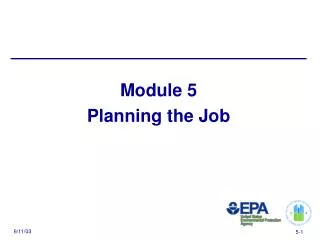
Module 5 Planning the Job
Module 5 Overview • Evaluate the property • Evaluate the job • Schedule the work • Choose the right tools and practices for • Set up • Work • Clean-up
Scenario 1: A new job • Your boss has just told you that you are starting a new job today. • It’s an exterior paint job. • It’s at 234 Mulberry Street. • They’re expecting you, so get over there and get started. Do you have any questions before you go?
1. Evaluate the Property • Was the residential building constructed before 1978? • If yes, take proper action and use lead-safe work practices. • If no, you do not have to worry about lead dust. • Has there been significant renovation to the home? • Newer additions may be post-78. • Has the paint been tested for lead? • If yes, collect documentation of what and where. • If no, assume lead-based paint is present.
1. Evaluate the Property • Does this property receive government assistance? • If yes, lead safe work practices may be required. Check with the client. • Confirm this is not an abatement project. • Where is this property information? • Ask the client. This information is available from tax records, disclosure forms or other documentation • If no documentation is available, assume lead is present.
Scenario 2: A first look at the work • Your boss says: • The house was built in 1939 • No testing was done • Assume lead is present • What questions do you have now?
2. Evaluate the Work • Will this job involve: • Sanding, scraping, drilling? • Demolition? • Other activities that make dust? • If yes, take proper precautions: • Set-up • Work practices • Clean up • Will this job create high levels of dust?
3. Schedule the Work • How will I schedule lead-safe work practices? • Minimize hassle to residents • Limit the size of the work area • Minimize labor costs • Take high dust jobs into account
Planning Exercise • Use the planning checklist • Assume: • 1939 single family home • No lead testing done • No Federal funds • Repainting the exterior • Significant peeling paint • You have 5 minutes
Planning – What did you learn? • Does this job need special practices? Why? • Are they required or recommended? • What tools did you choose? Why? • How would your list change if this were an interior job? • What if this were a smaller job?
Now you know How to plan for a job • Evaluation the property • Evaluation the work • Schedule the work • Choose the right tools and work practices • Set up • Doing the work • Clean up