Download
1 / 3
30 likes | 166 Views
The Intravaginal Ring, developed by the Population Council, offers a promising new approach to preventing HIV transmission. Similar to contraceptive vaginal rings, it incorporates MIV-150, a microbicide aimed at reducing the risk of HIV. Current efforts are focused on combining this technology with existing contraceptive methods. Human trials are expected to commence next year. To prevent HIV, it’s crucial to practice safe sex, avoid sharing needles, and ensure safe delivery methods such as Caesarean sections for HIV-positive mothers.

E N D
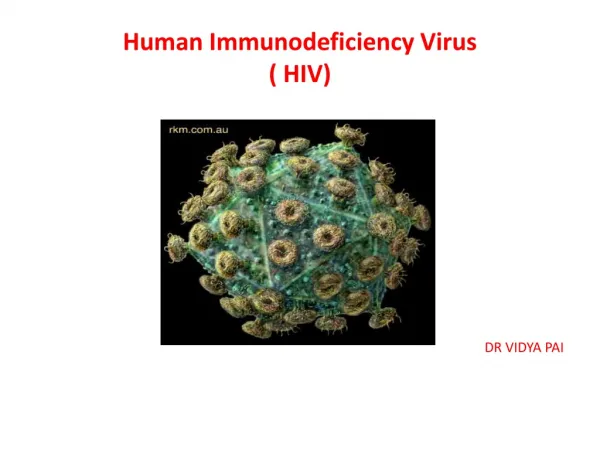
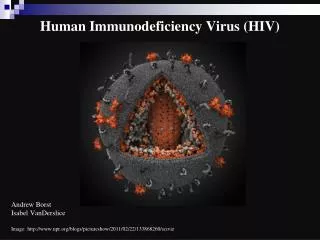
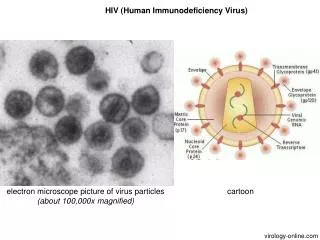
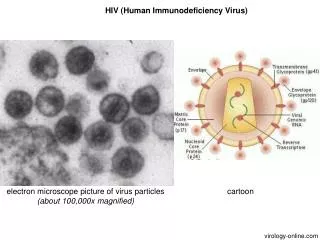
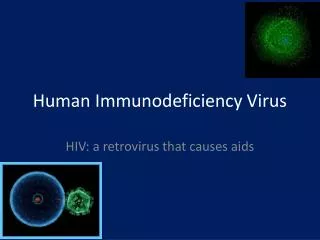
Human Immunodeficiency Virus HIV: a retrovirus that causes aids
Transmitted through: • Sexually Intercourse • Blood Transmission • Mother to children • Prevention: • Sexual Transmission: • Abstain from sex • Condoms • One sexual partner • Blood: • Do not share needles • Mother to child • Antiretroviral drugs • Caesarean section • No breastfeeding
Intravaginal Ring to Prevent HIV Population Council Almost identical to the contraceptive vaginal ring Uses MIV-150 90 use Working to combine with the contraceptive ring Phase I of human trials will likely begin next year.