Download
1 / 16
160 likes | 276 Views
A balanced diet includes all food types in appropriate amounts to maintain health. It incorporates carbohydrates for energy, proteins for cell growth and repair, fats for energy and insulation, vitamins for healthy skin and strong bones, minerals for red blood cell formation, and water for hydration and transport of substances. The Food Pyramid can guide portion sizes, ensuring we consume adequate quantities of each nutrient. This guide reviews food functions and an experiment to test for protein presence in foods, emphasizing the significance of each component in a healthy diet.

E N D
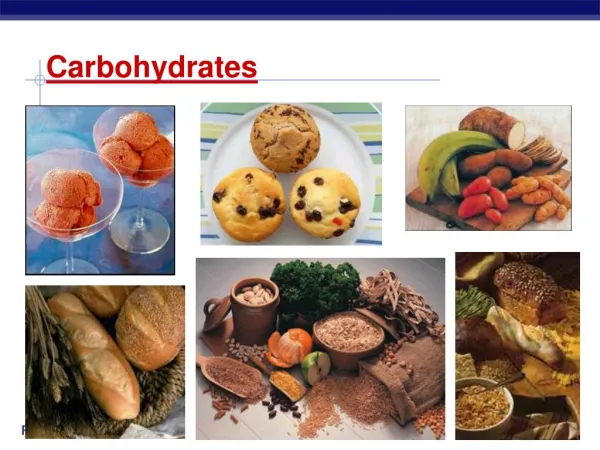
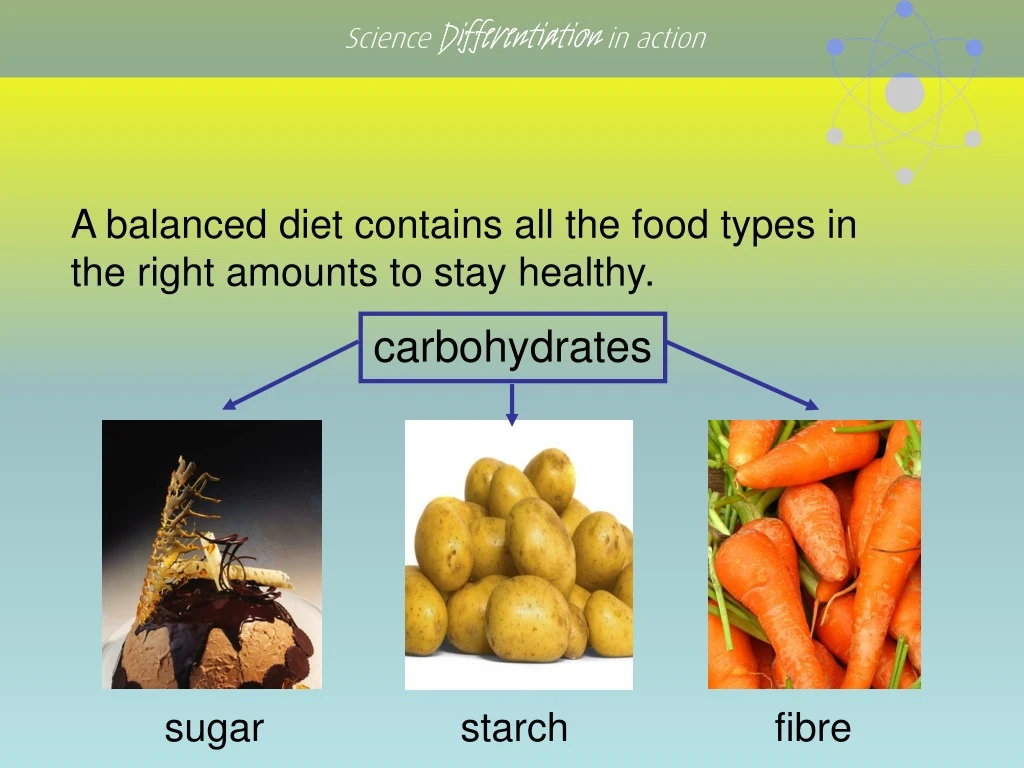
A balanced diet contains all the food types in the right amounts to stay healthy. carbohydrates sugar starch fibre
A balanced diet contains all the food types in the right amounts to stay healthy. carbohydrates Forenergy Forenergy Preventsconstipation sugar starch fibre
A balanced diet contains all the food types in the right amounts to stay healthy. fats Forenergy and insulation
A balanced diet contains all the food types in the right amounts to stay healthy. proteins
A balanced diet contains all the food types in the right amounts to stay healthy. proteins For growthand repairof cells
A balanced diet contains all the food types in the right amounts to stay healthy. vitamins For healthy skin and gums For strong bones vitamin C vitamin D
A balanced diet contains all the food types in the right amounts to stay healthy. minerals To make redblood cells For strong bones Iron Calcium
A balanced diet contains all the food types in the right amounts to stay healthy. water
A balanced diet contains all the food types in the right amounts to stay healthy. water Used to make blood and to dissolve and transport substances
How do we know how much of each food type to eat? We can use the Food Pyramid. Oil and Sugar Meat, Fish, Nuts Milk, Cheese, Yogurt Fruit and Vegetables Bread, Potatoes, Pasta
Review Question What is the function of each food type in the table? Carbohydrates (i) Sugar (ii) Starch (iii) Fibre Protein Fat Vitamins (i) Vitamin C (ii) Vitamin D Minerals (i) Calcium (ii) Iron Water For energy For energy Prevents constipation For growth and repair of cells For energy and insulation For healthy skin/gums For strong bones For strong bones To make red blood cells To dissolve and transport substances
To Test for Protein (Biuret Test) • Method: • Dissolve a sample of protein (milk) in water. • Add a few drops of sodium hydroxide (colourless) • Add a few drops of copper sulfate (blue) • Sample of milk
Results • If protein is present, the colour will change from blue to purple. • What does it mean if the colour remains blue?