Understanding Barrier Islands: Characteristics, Ecosystems, and Human Impact
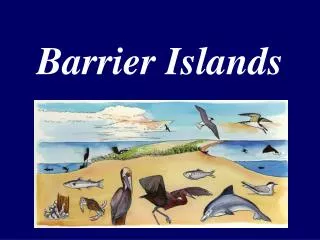
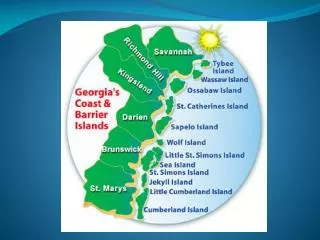
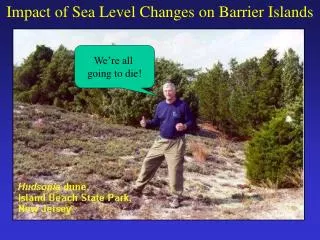
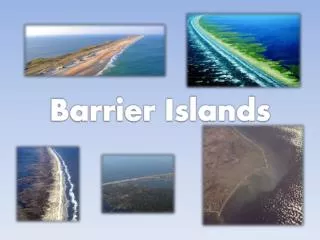
Barrier islands play a crucial role in coastal ecosystems by mitigating ocean swells and storm damage. They create protected environments such as lagoons and marshes, which support diverse wildlife. However, human activities like development lead to soil erosion, threatening these ecosystems, while rising sea levels due to climate change contribute to their gradual disappearance. Additionally, pollution from boating and improper waste disposal further harms the delicate balance of these habitats. Ocean City, MD, exemplifies the urbanization effects on barrier islands.

Understanding Barrier Islands: Characteristics, Ecosystems, and Human Impact
E N D
Presentation Transcript
General Characteristics Structure:
Ecosystem Services • mitigate ocean swells • lessen the impact of storm damage • section off the ocean to create relatively still, brackish water • wetland systems such as lagoons, marshes, estuaries, etc. can survive because of barrier islands • Negative Human Effects • development often causes accelerated soil erosion (meaning ecosystems on the coast lose the protection that the islands provide and can be destroyed) • rising sea levels (due to global warming) are causing the barrier islands to slowly disappear • easily polluted by boating activities: paint, oil, grease, garbage and illegally dumped sewage • sand and contaminated sediments cannot be returned to the beaches and must be disposed of • sediments are dumped in deeper waters, poisoning the marine life Ocean City, MD -- an urbanized barrier island