Download

1 / 21
230 likes | 350 Views
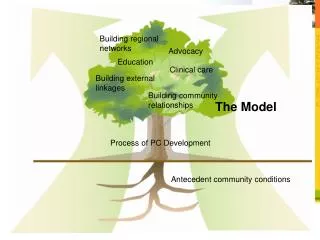
Advocacy is crucial for initiating change within systems. It involves utilizing your voice and building relationships to influence decision-makers. Effective advocacy enhances your organization's profile, fosters connections, and secures funding. Follow five steps for successful initiatives: identify the problem, gather facts, strategize, launch your effort, and evaluate success. Engage your community, leverage grassroots activism, and create dynamic campaigns to drive your message forward. Uniting efforts can lead to meaningful impact and change in social services.

E N D
great lakes alliance region advocacy fundamentals
“advocacy” is the work of making change
three essentials of advocacy #1 the goal of advocacy is to change systems #2 your voice is the mechanism for advocacy #3 building relationships is fundamental
why does advocacy matter to your organization? effective advocacy will • make the connection between social service and social change • raise your organizational profile in your community • build relationships with key decision-makers • insure the stability of public and private funding for your activities mystery image #1
five steps of successful advocacy initiatives • identify a problem • get the facts • strategize • launch your effort • evaluate success mystery image #2
step #1: identify the problem how does your organization/group define the issue? • how does the issue relate to your mission? • how do those affected by the problem define it? (Are you on their side?) how do other stake holders and community leaders define it? mystery image #3
identify the problem how does the opposition define the issue? • what is true about their argument? • what points of agreement do you have? • how will you respond to their side?
step #2: get the facts • Do your homework! • Have data, but also have stories • Assemble research into a briefone page document that summarizes the issue and your stance
step #3: strategize effective strategies are: • planned • timely • creative • engaging strategies can be aimed at: • targeting a decision maker • growing a grassroots base
great lakes alliance region strategies are limitless
take it to the legislature • lobby your elected officials • provide testimony at hearings • partner with legislators to draft legislation mystery image #4
take it to the courts • file a lawsuit • join a class action suit • file an amicus brief mystery image #5
take it to the ballot box • get your candidate elected • introduce a ballot initiative • run for office • track your elected official’s voting record
take it to the streets • picket • parade • sit-in • canvas • march on city hall, the capital, or the white house • civil disobedience & creative protest
take it to the virtual streets launch an electronic campaign • petitions • “take action” emails and alerts • create a websites about your issue
take it to your community • organize grassroots activists • conduct educational campaigns • form or join a coalition • write articles, op-eds and letters to the editor
take it to your community • hold a memorial, candlelight vigil, speak-out, town hall forum, or brown bag lunch • train activists, peace keepers, or lobbyists • host house parties • think locally & be creative!
step #4: launch • give allies advance notice about your initiative • pick one spokesperson • invite everyone you know • invite the media • have relevant education materials available
step #5: evaluate your success outcome: did you succeed in making the change you set out for? process: did your activities result in: • new partnerships or coalitions • new or activists or members (or new commitment from your existing grassroots body) • new relationships with elected officials • publicity or media contacts
great lakes alliance region tactical practice!
great lakes alliance region Thank You!Presentation prepared by Rebecca Gurney, Advocacy Coordinator, glaadvocacy@rrohio.com