United States’ involvement and interventions
170 likes | 318 Views
This overview explores the United States' interventions in the Caribbean between 1898 and 1935, focusing on actions in Panama, Haiti, and the Dominican Republic. It discusses the policies adopted by U.S. presidents, including Theodore Roosevelt's Big Stick Diplomacy and the implications of Dollar Diplomacy under William Howard Taft. The consequences of American involvement—both positive and negative—are examined in the context of economic interests, national sovereignty, and regional stability. Through this analysis, we scrutinize the complexities of U.S. foreign policy during this era.


United States’ involvement and interventions
E N D
Presentation Transcript
United States’ involvement and interventions Panama, Haiti and the Dominican Republic
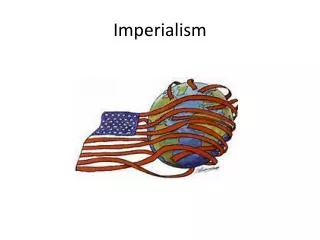
What is an appropriate title for this cartoon? Which US president does this picture depict? Examine the details of this picture and use these to comment on the behaviour and attitude of the US government towards the Caribbean 1898 to 1935
Theodore Roosevelt Big Stick Policy “Roosevelt's approach : Batter them down with firepower or the threat thereof. Termed from Roosevelt's quote "Speak softly and carry a big stick". This was Roosevelt's way of saying peacefully negotiate with a country but at the same time have a big weapon behind you so that the negotiating country understands that if they don't agree to the negotiations you can kill them.” From students like yourselves found at http://ibhistory.wikidot.com/foreign-policy-in-la#toc13
Woodrow Wilson-invasion of Haiti, DR • Warren G. Harding • Calvin Coolidge—began the move away from interventionism • Herbert Hoover—continued the move towards...
Video links • http://www.youtube.com/watch?v=IU5l4yQCpMM Spanish American War. • PBS documentary “The Panama Canal” http://www.pbs.org/wgbh/americanexperience/films/panama/player see chapter 2. • Occupation of Haiti. http://www.youtube.com/watch?v=d1tasIBPgro
Panama, Haiti and the Dominican Republic • The factors: • What the US did • Reasons for actions • Economic, political and cultural consequences (benefits and negative consequences) decide if eachwas a benefit to the territory
Panama • What policy was used by the USA • The Big Stick policy • Who was the US president involved • Theodore Roosevelt was the president at that time • Reasons for the US’ involvement • Desire to build a canal enabling passage of ships from the Atlantic to the Pacific • This would benefit the American commercial and business enterprises • It would also benefit US defence • Columbia was unwilling to give the land to the US. The US wanted to have more control than Columbia would give.
Panama part II • What happened? • Panamanians who wanted independence staged a successful revolt, helped by the USA and the French. • The US recognised Panama as an independent country and then was able sign a treaty which gave the USA • What were the consequences of the US intervention? • Panama lost sovereignty of the Canal Zone to the USA • Caused resentment, nationalist feelings arose over this issue. • US benefited economically, strategically (defence wise)and politically.
Haiti • The factors—the situation in Haiti at the time • What the US did • Reasons for actions • Economic, political and cultural consequences (benefits and negative consequences) decide if this was a benefit to
Dominican Republic • The factors—the situation in the DR e.g. • What the US did • Reasons for actions • Economic, political and cultural consequences (benefits and negative consequences) decide if this was a benefit to