Effective Management of Aphids on Ornamental Plants
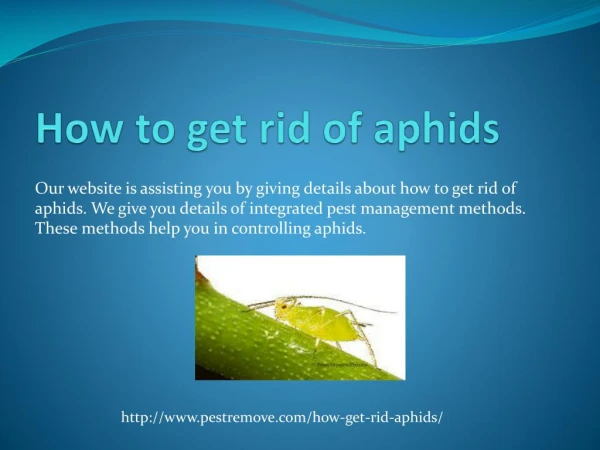
Aphids, commonly known as plant lice, are small, soft-bodied insects that feed on a variety of ornamental trees and shrubs, both deciduous and coniferous. They utilize their piercing-sucking mouthparts to extract plant juices, leading to deformed leaves and fruit, galls, and a sticky “honeydew” excretion that can promote mold growth. Quick reproduction often results in significant infestations. To manage aphids, encouraging beneficial insects like ladybird beetles or applying insecticides can be effective. For further information, refer to Penn State Entomology resources.

Effective Management of Aphids on Ornamental Plants
E N D
Presentation Transcript
Use this power point as the template for your power points Aphids on Ornamentals Insects & Diseases
Host Plants (plants affected by the insect or disease) • Also known as plant lice. • Found on a variety of tree and shrub species. • Feed on both deciduous and coniferous plants.
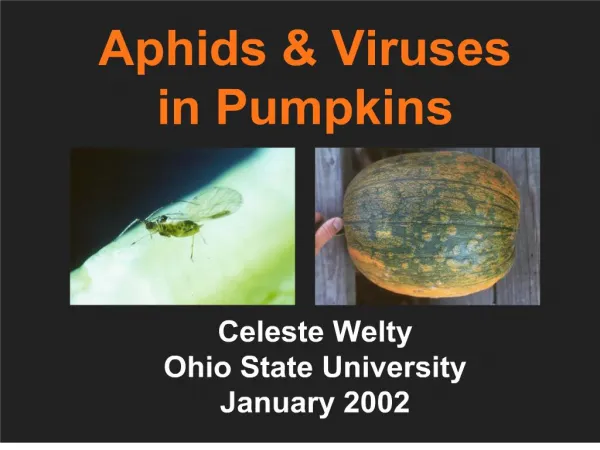
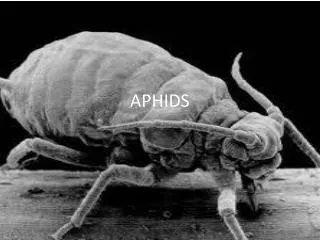
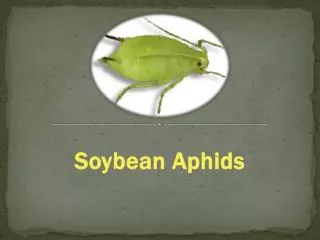
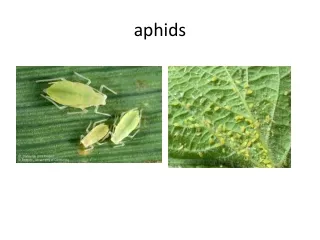
Pest Description • Small, soft-bodied insects. • Color varies. • They have piercing-sucking mouthparts which allow them to suck plant juices from the host. • Pear-shaped, with long antennae and a pair of tube-like structures protruding from the rear of the insect. • Multiply very quickly.
Damage to Host Plant (describe the damage caused by the insect or disease to the host plant) • Removal of plant juices. • Deformed leaves and fruit. • Galls on leaves and stems. • Secrete “honeydew” from their anus which makes the leaves sticky and encourages mold growth.
Management (describe how the insect or disease can be treated or controlled) • Beneficial insects such as Ladybird beetles. • Insecticides.
References (what websites or books did you reference) • Penn State Entomology Fact Sheet