Adapting Performance Management Scorecard for HEQSF: CPUT Strategies and Implementation
230 likes | 356 Views
This presentation outlines how the Cape Peninsula University of Technology (CPUT) is adapting its Performance Management Scorecard to effectively track the development process of the Higher Education Qualifications Sub-Framework (HEQSF). With the phase-out of B.Tech qualifications, CPUT anticipates creating approximately 200 new qualifications in the next five years. The presentation details the complexities and stages involved in qualification development and approval, and how custom reports assist faculties and departments in monitoring progress and ensuring alignment with HEQSF standards.


Adapting Performance Management Scorecard for HEQSF: CPUT Strategies and Implementation
E N D
Presentation Transcript
Performance Management: HEQSF Scorecard Presentation to the HEDA User Group November 2013 David BleazardDirector: Institutional Planningbleazardd@cput.ac.za Performance_Management_Nov2013_1
Objective • To show how CPUT is adapting the Performance Management Scorecard to track the HEQSF programme development process
Background • The alignment of qualifications to the new Higher Education Qualification Sub-Framework (HEQSF) is a huge challenge for UoTs • B.Techs being phased out • New qualification types include Higher Certificate, Diploma, Degree, Professional Degree, Advanced Diploma • CPUT estimates that it will have to develop about 200 new qualifications during the next five years • The processes for development and approval of the qualifications are complex, both internally and externally
Stages and Steps Category A qualifications: Minor amendments required to align to HEQSF Approximately 40 qualifications – mostly postgraduate qualifications Category B qualifications: Less than 50% change to existing curriculum Approximately 70 qualifications – mostly National Diplomas Category C qualifications: More than 50% change to existing curriculum Approximately 110 qualifications – more than half are B.Tech qualifications to be phased out and replaced by HEQSF aligned qualifications
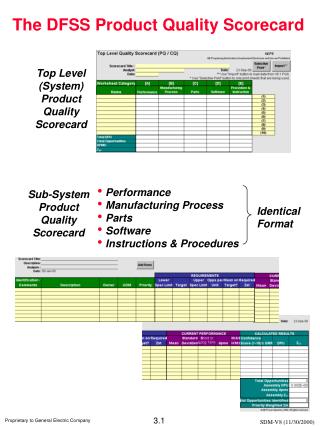
Applied Technology • How to keep track of all the processes and their associated documentation? • The idea arose of using the newly developed Performance Management Scorecard to track and report on progress • The various stages (and steps within stages) of the HEQSF process have been incorporated within the model • Custom-built reports have been developed by IDSC to report on progress to Faculties and Departments
Reporting • Reporting was a primary requirement in the conceptualisation of the HEQSF Scorecard • Two levels of reporting are currently available • Detailed Report • Overview Report
Suggested Enhancements • Alphabetic Order • Alphabetic ordering of Faculties and Departments can be achieved, but is clumsy • Entering Performance • When data is entered in the Performance Agreement window, the cursor jumps to the top of the page; it should stay at the level of the amended item • Deletion Warnings • Warnings should appear before Faculties, Departments or Qualifications are deleted • Removing Documents • It should be possible to remove a document uploaded in error
Challenge • The main challenge in using the HEQSF Scorecard arises from the complexity of the process • A great deal of information for a wide variety of qualifications needs to be captured and updated • Only one person, the Head of Academic Planning, is managing the process and implementing the tracking
Advantages • Without something like the Scorecard, the HEQSF alignment process will become unmanageable • The Scorecard provides reports that can be shared with the Faculties and Departments • A central view of the process and its progress is available