Download
1 / 13
130 likes | 234 Views
This guide provides an overview of court case basics, including understanding your role, trial procedures, questioning techniques, objections, and audience responsibilities. Get ready for your trial with tips on preparation and group requirements.

E N D
Law Unit A guide of what to do
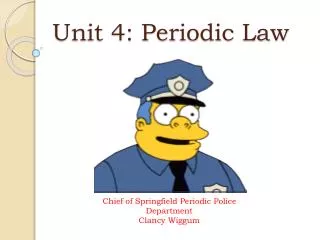
Things to Avoid • Lionel Hutz: And so ladies and gentlemen of the jury. I rest my case. Judge Snyder: Hmm. MrHutz. Do you realize you're not wearing any pants? Lionel Hutz: I... Ahh! [David Crosby shakes his head in shame] Lionel Hutz: I move for a 'bad court thingy'. Judge Snyder: You mean a *mistrial?* Lionel Hutz: Yeah! That's why you're the 'judge' and I'm the 'law talking guy?' Judge Snyder: The *lawyer?* Lionel Hutz: Right.
Court Case Basics • How to understand the side you are on • Prosecution versus defense • Ex: Muller v Oregon • Muller is the prosecution • Oregon is the defense
Court Case Basics • How a trial runs: • Opening statements • Present your major points you wish to prove • Prosecution • Defense • Questioning • Prosecution direct examination (you are using your witness to build your case, ask questions to support your cause) • Defense cross examination (you are asking questions to discredit the witness and the prosecutions argument)
Court Case Basics • Questioning • Defense direct examination • Prosecution cross examination • Closing arguments • Sum up all your major points you hoped to prove • Prosecution • Defense • From front of room • Prosecution sits on right • Defense on left
Court Case Basics • Objections • Hearsay: testimony that is given that is not backed up by evidence • Speculation: witness is clearly guessing (can be allowed during a cross examination to a point) • Leading: Lawyer asks questions that does not allow witness to really answer as they see fit • Badgering: harassing a witness • Relevancy: question is totally off basis of case
Now what do I do? • Your side is responsible to prepare the correct side. • You will do this out of the classroom • I will have a “check in date” with you a week before the trial • If you come unprepared for this I will not help you
Day of Trial • I will call and time the cases • You have thirty minutes to present the entire case (I will keep time) • I will make sure each side has equal time for their parts
Day of Trial After your case • After the judge decided • Each group will have five minutes to go over their case with the audience and check for understanding. • I will give you the historic decision when it is over
Audience Responsibilities • You will take notes to the trial • Ask questions of groups after trial • Write down the verdict when I give it to you • After all the trials are done we will have a discussion as a class • There is a quiz a week after the trials on this material
Grading • The judge does all the grading • We will cover the grading sheet
Groups • We need ten groups • No less then 2 people • No more then 3 people
Case Preparation • You may only use laws and terms from the case briefing • You may use past cases we have covered in class to aid you • If you pull from something not mentioned in the case brief the evidence will be thrown out.