Download
1 / 4
40 likes | 191 Views
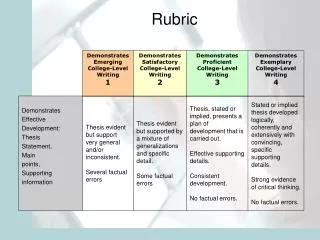
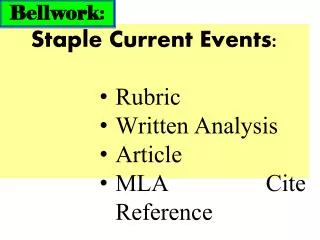
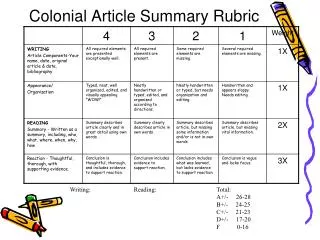
This rubric outlines the criteria for summarizing and reacting to a reading article. The main idea and supporting details are essential components, with a focus on identifying the key message and gathering relevant details, including the five Ws (who, what, where, when, why). Students are instructed to write a summary in their own words, consisting of at least two paragraphs with 5-7 sentences each. Additionally, reactions should express personal thoughts, highlight new information learned, and make comparisons to related articles or events. Adherence to these guidelines is crucial for the final class presentation.

E N D
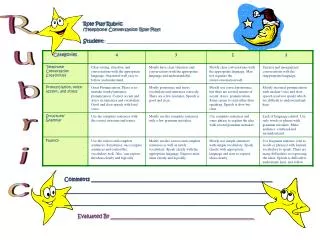
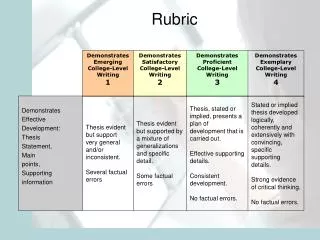
Colonial Article Summary Rubric Reading: Total: A+/- 26-28 B+/- 24-25 C+/- 21-23 D+/- 17-20 F 0-16 Writing:
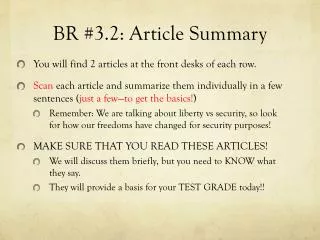
Main Idea and Supporting Details When reading for aMAIN IDEA Of a passage, you need the POINT Or the LIFE LESSON Of the selection. When reading for DETAILS Of a passage, you need search for WHO WHAT WHENWHEREWHY.
Writing the Summary In your own words, write a brief summary, MINIMUM OF TWO PARAGRAPHS, (at least 5 - 7 sentences each) of the article. Remember to include the 5 W≠s (who, what, where, when, and why, if applicable). • When writing your summary, make sure you answer the following questions: • Who is involved • What happened? • Where did it happen? • When did it happen? • Why did it happen?
Writing the reaction to your article Your reaction to the article needs to include one or more of the following: a. Your thoughts about the article b. What new information did you learn from this article? What did you find interesting? Name AT LEAST three! C. Comparisons to other articles or events you have read about and hold similar information. BE SURE TO FOLLOW THESE GUIDELINES CAREFULLY. YOUR GROUP WILL PRESENT THEIR FINAL WRITE-UP TO THE CLASS.