Impact of the 1849 Gold Rush on Mining, Native Americans, and Farming in the West
This overview explores the consequences of the 1849 California Gold Rush, emphasizing the rise of boomtowns and ghost towns, the challenges miners faced, and how expansionism affected Native American communities. It discusses key events such as the Fort Laramie Treaty, the Chivington Massacre, and the subsequent push for assimilation. Additionally, it highlights struggles in farming during this period, including the Homestead Act and the impact of environmental factors on agricultural life, as well as the formation of farmer cooperatives, reflecting the socio-economic landscape of the American West.


Impact of the 1849 Gold Rush on Mining, Native Americans, and Farming in the West
E N D
Presentation Transcript
Stations Recall- FOCUS: each screen will show information that…A: you should have filled outB: you should bulletize in open spaceC:will help you understand the content
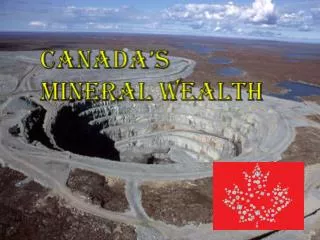
MINING • 1849- California Gold Rush • lode: rich vein of gold or silver • boomtown: place where miners found large veins/ would build up towns that sprung up over night
MINING • ghost town: once vein runs dry, miners & settlers move on & leave town behind • tent cities = increase in traders = increase in population = increase in merchants = increase in tools = build up of houses & stores = city
MINING • PROBLEMS MINING pollution: • 1: air, 2:streams, 3: mountains, 4:wildlife • Native Americans forced out of their land • Racism/ discrimination (foreign miners come to build a better life – treated unfairly)
MINING • Few miners actually get rich • gold/silver hard to reach • only accessible by big machines $$ • high level of competition • Large companies could afford to hire laborers that mined for them
MINING • vigilantes: self-appointed law enforcers who tracked down outlaws & punished them, usually without a trial – common death : lynching • HOW IS THIS A STEP BACKWARDS FROM THE LAST UNIT? HABEAS CORPUS?
END OF INDIANS • 1883 – Sitting Bull: Lakota war chief & holy man addresses group of senators from Washington about keeping their “promise” to the natives • As settlers moved West after the war, the gov’t promised to protect Indian hunting grounds • promise breaks when WAY more settlers push those boundaries • when natives resisted, wars erupted & ended in tragedy for Indians 1840s when settlers and miners begin to cross Indian hunting grounds, they ask gov’t for protection from these “savages”
END OF INDIANS • Fort Laramie Treaty- 1851- gov’t officials promise that if natives keep to a limited area, they will keep that land protected. In exchange, they will give Indians money, domestic animals, tools & goods. Indians agreed. • Indian Reservations: limited lands reserved for Indians as part of terms set by the Fort Laramie Treaty in 1851. • 1851- gold discovered in Pikes Peak, Colorado (on an Indian reservation) and miners broke the boundaries • Federal officials now want Indians to sign new treaty giving up the land surrounding Pikes Peak • Indians do NOT agree & attack settlers
END OF INDIANS • Chivington Massacre- 1864 settlers strike back • John Chivington leads militia against Cheyenne village • Indians raised white flag of surrender AND united states flag (John Chivington ignores this) • Men destroyed village & took no prisoners • 200 men, women, children dead
END OF INDIANS • 1867 – gov’t creates a peace commission to end wars on the plains so settlers will be safe. • Urges Indians to settle down & live like white farmers • Urges Indians to send children to white schools • assimilation towards the “right is white” way of doing things
END OF INDIANS • 1867- Indians sign a treaty with gov’t to move onto reservation in exchange for protection • soil is too bad to farm on • farming contradicted a hunter/gatherer lifestyle
END OF INDIANS End of Buffalo • disease, drought, pollution, over population (starvation), destruction of environment = DEATH • buffalo hunting was • 1: in demand • 2: a popular sport = affects population • as buffalo disappears, so do Indians
FARMING • Homestead Act – 1862 – promises 160 acres of free land to anyone who could pay a small filing fee & farm it for 5 years • By 1900 half-million farmers set up farms • Only 20% went to farmers, the rest bought out by huge companies & resold to farmers at high cost • Land becomes scarce
FARMING • Land Rush – large masses compete & race (violent) to claim free land & protect it as their own. Had to wait until a specific “go” time set by gov’t.
FARMING LIFE ON THE PLAINS • strong winds with no mountains to block it • sod houses– built from clay, dirt & mud (no timber) leaky, moldy, unstable • sodbusters- famers on the plains who would cut through thick sod with steel plows to get to fertile soil
FARMING • crops destroyed • droughts • floods • grass fires • grasshoppers • women • made clothing • soap • candles • cooked/ preserved food for winter • in charge of rationing • school teachers • doctors (none nearby) • pastime – towns were miles apart, very dull • visiting neighbors • going to church • picnics • dances • weddings
FARMING • Farmers sinking into debt as they were getting less $$, and growing more crops • With more people farming, companies could buy crops from basically anyone • this makes selling prices competitive
POPULISTS • National Grange- 1867- formed by farmers to improve working & living conditions. Goals were to boost farm profits & reduce rates that railroads charged for shipping grain. • Cooperative – groups of farmers who pooled $$ to buy seeds/ tools wholesale
POPULISTS • Populists:1892- farmers & labor unions join togetherto… • demand gov’t help in raising farm prices • regulate railroad rates • make income tax • 8 hour work day • limits on immigration
POPULISTS • wanted more $$ to be put into circulation so that people could spend more $$ on farm products • petitioned that any silver that was mined be coined • bankers & factory owners disagreed • they thought increasing the $$ supply would cause inflation • inflation – increased prices based on a surplus of money
POPULISTS • populists look forward to the election of 1896 since they were now so popular • candidate: William Jennings Bryan • “Great Commoner”: he championed the cause of the common people • Democrat from Nebraska • Believed the nation needed to increase the supply of $$ • Bankers & business people didn’t like him – inflation • Republican candidate William McKinley won (more popular in the north & east = more voters) • This marks the end of the Populist party
WAR • Custer’s last stand • 1864 settlers find huge gold vein in Black Hills region of a reservation • miners rush to area • Sitting Bull & Crazy Horse (Lakota chiefs) lead Indians to fight back in 1876
WAR • Custer leads army into Little Bighorn territory sent by gov’t to protect miners on reservation • 600 men stand guard but Custer divides his troops & sends 225 • 2,000 Indians were waiting for him & killed the entire troop • victory is short lived
WAR • Gov’t orders all food rations stop to reservations until they agree to ALL gov’t terms • Lakota's had to give up claims to Black Hill territory • End up surrendering about 1/3 reserved lands
WAR • Ghost Dance- celebrated a better time- when native Americans lived freely on their plains • Belief: Great Spirit would make a new world for all of his people, free from whites and filled with plenty. Brought on by Ghost Dance. • Joined hands in large circle, chanted, prayed, felt a growing happiness & saw visions of a new world
WAR • Settlers react: alarmed, thought it was a battle cry/ preparation for war. Made gov’t outlaw Ghost Dance
WAR Indians react: natives flee reservations to try to escape, but army follows. They finally realized they had to give up & prepare to surrender. They begin to hand over arms/ surrender at Wounded Knee (South Dakota) • Confusion: gun is fired. When smoke clears: 25 soldiers dead, 300 native men, women & children die.
WAR Helen Hunt Jackson’s A Century of Dishonor – 1881- A book that recounts long history of broken treaties between US & natives • Dawes Act 1887- congress- encourages Indians to become farmers. Some once-tribal land is divided and given to Indian families to farm It failed because: • Indians were poor farmers • Indians were poor – sold land to whites for cheap • No sense of identity or pride
DON’T FORGET MONDAY: review game & “study day” - Bring headphones!!!! TUESDAY: Westward test & key terms are due