Understanding Pacemaker Surgery A Lifesaving Cardiac Solution
0 likes | 5 Views
In today's fast-paced world, heart health has become a growing concern, with millions of people suffering from cardiac rhythm disorders that can impact their quality of life and even pose life-threatening risks. One of the most effective solutions to managing abnormal heart rhythms is pacemaker surgery u2014 a proven and lifesaving cardiac intervention that has transformed modern cardiology.


Understanding Pacemaker Surgery A Lifesaving Cardiac Solution
E N D
Presentation Transcript
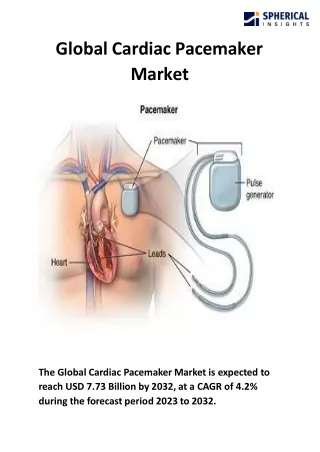
Understanding Pacemaker Surgery: A Lifesaving Cardiac Solution In today's fast-paced world, heart health has become a growing concern, with millions of people suffering from cardiac rhythm disorders that can impact their quality of life and even pose life- threatening risks. One of the most effective solutions to managing abnormal heart rhythms is pacemaker surgery — a proven and lifesaving cardiac intervention that has transformed modern cardiology. In this comprehensive guide, we’ll explore what pacemaker surgery involves, who needs it, the types of pacemakers available, and how institutions like The Heartae provide expert care for patients requiring this crucial procedure. What Is a Pacemaker and Why Is It Needed? A pacemaker is a small, battery-operated medical device implanted under the skin, usually near the collarbone. It is connected to the heart with tiny wires (called leads) and works by sending electrical impulses to stimulate the heart to beat at a normal rate and rhythm. In people with arrhythmias — conditions where the heart beats too slowly (bradycardia), too fast (tachycardia), or irregularly — the heart may not pump enough blood to meet the body's needs. Symptoms can include fatigue, dizziness, fainting, and shortness of breath. For many of these individuals, pacemaker surgery is recommended to restore a regular heartbeat, improving both survival and day-to-day well-being.
When Is Pacemaker Surgery Recommended? Pacemaker surgery is typically advised for individuals diagnosed with one of the following conditions: Bradycardia (slow heart rate):Often caused by aging or damage to the heart’s electrical system. Heart block: A condition where the electrical signals are delayed or blocked as they travel through the heart. Atrial fibrillation with slow ventricular response: Atrial fibrillation that causes the lower chambers of the heart to beat too slowly. Heart failure requiring resynchronization therapy: Special pacemakers help the heart chambers beat in sync. If a cardiologist detects these or other rhythm issues, and symptoms interfere with daily life, pacemaker implantation may be the best option. How Is Pacemaker Surgery Performed? Pacemaker surgery is generally considered a minor surgical procedure and is often done under local anesthesia with sedation. Here’s how the process typically unfolds: 1.Preparation: The patient is connected to heart monitoring equipment, and the chest area is cleaned and numbed. 2.Lead Insertion: A small incision is made, and the leads are guided through a vein into the heart using fluoroscopy (live X-ray). 3.Pacemaker Placement: The pacemaker device is inserted beneath the skin in the chest and connected to the leads. 4.Testing and Programming: The cardiologist tests the pacemaker to ensure it works properly and then programs it to suit the patient’s specific needs. 5.Closure: The incision is closed with sutures, and the entire process usually takes 1–2 hours. Patients may be observed overnight and are often discharged the next day, depending on individual circumstances. Recovery and Aftercare Most people recover quickly from pacemaker surgery, resuming normal activities within a few days. However, there are precautions and lifestyle adjustments to consider during recovery: Wound care: Keep the incision clean and dry. Activity limitations: Avoid heavy lifting or raising the arm on the side of the implant above shoulder level for a few weeks. Follow-up appointments: These are vital to monitor pacemaker function and adjust settings if necessary.
Device checks: Regular device evaluations are done in-clinic or remotely using special equipment. It’s also important to stay alert for signs of complications such as swelling, redness, or unusual pain at the implant site, and report them promptly. Types of Pacemakers There are several types of pacemakers, and the choice depends on the patient's condition: Single-chamber pacemaker: Sends impulses to one chamber of the heart (usually the right ventricle). Dual-chamber pacemaker: Coordinates electrical signals between the right atrium and right ventricle. Biventricular pacemaker (CRT device): Used for cardiac resynchronization therapy in heart failure patients, stimulating both ventricles for coordinated pumping. Advanced pacemakers also come with features like rate responsiveness, remote monitoring capabilities, and MRI compatibility. Benefits of Pacemaker Surgery The most significant benefit of pacemaker surgeryis restoring the heart’s ability to maintain a stable rhythm, ensuring sufficient blood flow to the body and brain. Additional benefits include: Improved exercise tolerance and energy levels Prevention of fainting or near-fainting episodes Reduced hospitalizations from heart rhythm problems
Enhanced quality of life In some cases, increased lifespan For many individuals, the procedure brings a renewed sense of security and the freedom to live life more fully. Why Choose The Heartae for Pacemaker Surgery? When it comes to heart health, choosing the right provider is essential. The Heartae is a leading cardiac care center in the UAE, known for delivering expert diagnosis, advanced treatment technologies, and compassionate care. With a team of highly qualified cardiologists, cutting-edge facilities, and personalized treatment plans, The Heartae stands out as a trusted destination for pacemaker surgery. From consultation to aftercare, every step is handled with precision and a patient-centered approach. Their commitment to excellence ensures peace of mind for patients and their families alike. Living with a Pacemaker After successful pacemaker surgery, patients can usually return to normal activities, including work and moderate exercise. It's important to be aware of and avoid strong electromagnetic fields or devices that may interfere with the pacemaker. Regular check-ups help ensure the device continues to function effectively. Patients are also given an identification card with information about their device, which should be carried at all times — especially when traveling or undergoing medical tests. Final Thoughts Pacemaker surgery has revolutionized the treatment of heart rhythm disorders, offering a safe, effective, and often life-saving solution. For those experiencing symptoms of arrhythmia, timely intervention can make all the difference. If you or a loved one has been recommended for a pacemaker, don’t hesitate to consult experts who understand the complexities of cardiac care. The Heartae provides a comprehensive, compassionate, and expert-led path to a healthier heart and a better life.





![get [PDF] Download The Making of the Pacemaker: Celebrating a Lifesaving Inventi](https://cdn7.slideserve.com/12538901/the-making-of-the-pacemaker-celebrating-dt.jpg)