Download

1 / 6
0 likes | 3 Views
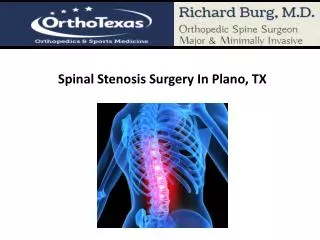
Maintaining spinal health is essential for mobility, comfort, and long-term quality of life. Among the many conditions that affect the spine, spinal stenosis is one of the most commonly diagnosed, especially in adults above the age of 50. However, it can occur earlier due to injury, genetics, posture, or age-related degeneration. The informational poster presented by Dr. Sarthak Kadakia, Spine Surgeon & Orthopaedic Surgeon, highlights the importance of recognizing spinal stenosis early and receiving timely treatment.

E N D
Understanding Spinal Stenosis: A Comprehensive Patient Guide Maintaining spinal health is essential for mobility, comfort, and long-term quality of life. Among the many conditions that affect the spine, spinal stenosis is one of the most commonly diagnosed, especially in adults above the age of 50. However, it can occur earlier due to injury, genetics, posture, or age-related degeneration. The informational poster presented by Dr. Sarthak Kadakia, Spine Surgeon & Orthopaedic Surgeon, highlights the importance of recognizing spinal stenosis early and receiving timely treatment. This extended document builds on those points and serves as a complete, patient-friendly guide to understanding spinal stenosis and modern treatment options, including the best minimally invasive spine surgery in Mumbai for those who need advanced care. What Is Spinal Stenosis? Spinal stenosis describes the narrowing of the spinal canal, which houses the spinal cord and nerve roots. When this canal narrows, it places pressure on the nerves, leading to pain and functional limitations. The condition can affect the: Cervical spine (neck) Thoracic spine (mid- back) Lumbar spine (lower back) While aging is a major contributing factor, stenosis can also result from disc herniation, ligament thickening, bone spurs, or past injuries. The progression is typically slow, which leads many individuals to ignore early symptoms until they become disruptive.
Why Nerve Compression Causes Pain The nerves in the spinal canal are responsible for transmitting signals between the brain and the body. When these nerves become compressed, the signals are disrupted or irritated, leading to: Sharp or burning pain Weakness in the arms or legs Tingling or numbness Difficulty performing routine activities Because nerves control both movement and sensation, prolonged compression may result in decreased mobility and muscle weakness if left untreated. Common Signs and Symptoms The poster highlights several primary symptoms associated with spinal stenosis. Expanding on those: 1. Back or Neck Pain A persistent ache or discomfort in the lower back or neck often signals early stenosis. The pain may radiate towards the shoulders, arms, buttocks, or legs, especially when nerves are irritated. 2. Numbness or Tingling Patients frequently experience “pins and needles” or reduced sensation in the limbs. This symptom is often a result of nerve root compression and may worsen with standing or walking. 3. Leg Weakness When the lumbar spine is affected, nerve compression can weaken the muscles responsible for walking and balance. This may lead to difficulty climbing stairs, standing upright, or maintaining stability. 4. Pain While Standing or Walking One of the hallmark signs of lumbar stenosis is increased pain when walking or standing for extended periods. Relief often comes from bending forward or sitting, which widens the spinal canal and reduces nerve pressure.
The Importance of Early Treatment The poster emphasizes an essential message: “Early treatment = better mobility and long-term relief.” Early diagnosis offers several advantages: Prevents worsening nerve compression Reduces long-term pain Improves the success of physiotherapy Helps maintain an active, mobile lifestyle Allows access to minimally invasive treatment options Ignoring symptoms can lead to severe nerve damage over time, making recovery slower and more difficult. Who Should Visit a Spine & Orthopaedic Specialist? Anyone experiencing persistent back or neck pain, unexplained weakness, or tingling sensations should consult a specialist. A trained spine expert such as Dr. Sarthak Kadakia (as cited in the image) evaluates the spine using physical exams and diagnostic imaging to pinpoint the exact cause of nerve compression. A specialist can offer: Accurate diagnosis Tailored treatment plans Non-invasive and minimally invasive treatment options Guidance on lifestyle changes Long-term spine care recommendations Patients seeking the Best Minimally Invasive Spine Surgery in Mumbai often begin their journey with a comprehensive evaluation to determine whether advanced techniques are necessary.
Modern Treatment Options for Spinal Stenosis Treatment varies based on the severity of the condition. Most patients benefit from a combination of therapies designed to reduce pain and improve mobility. 1. Conservative Treatments These include: Physiotherapy: Helps strengthen the back muscles and improve flexibility Medications: Reduces inflammation and nerve-related pain Posture training: Teaches proper alignment to minimize spinal stress Lifestyle adjustments: Weight management and ergonomic modifications Many patients experience significant improvement with these approaches alone. 2. Minimally Invasive Procedures Advances in spine care have led to minimally invasive options that involve much smaller incisions, faster recovery, and less tissue disruption. These may include: Epidural steroid injections Minimally invasive lumbar decompression Microdiscectomy Endoscopic spine procedures Patients researching the Best Minimally Invasive Spine Surgery in Mumbai often seek these advanced procedures because they offer quicker return to daily activities and reduced postoperative discomfort. 3. Surgical Intervention When conservative methods are ineffective, surgery may be recommended. Modern spinal surgeries are increasingly minimally invasive and include: Microdecompression Laminectomy Minimally invasive spinal fusion (in select cases) The goal is to relieve nerve pressure, restore spinal stability, and improve overall function.
How Minimally Invasive Surgery Helps Minimally invasive spine surgery uses small incisions and specialized instruments to access the affected area without damaging surrounding tissues. Benefits include: Less postoperative pain Reduced blood loss Shorter hospital stay Faster recovery Lower risk of complications For patients in Mumbai and surrounding areas, choosing a spine specialist experienced in these advanced techniques ensures they receive the Best Minimally Invasive Spine Surgery in Mumbai with optimal outcomes. Living with Spinal Stenosis: Long-Term Care Treatment does not end after medical procedures. Patients should adopt healthy practices to maintain spinal health, such as: Regular stretching and strengthening exercises Avoiding excessive bending or twisting Using ergonomic chairs and supportive mattresses Maintaining proper posture Following a spine-healthy lifestyle Long-term care can prevent recurring symptoms and prolong the benefits of treatment.
Contact Information :- Address : 2nd Floor, DEVKRUPA CHS, Swami Vivekananda Rd, beside Pulse Diagnostic Shimpoli Signal, Shimpoli, Borivali West, Mumbai, Maharashtra 400092 Mobile : 9701549701 Conclusion Spinal stenosis can significantly impact a person’s daily life, mobility, and long- term well-being. Understanding its symptoms and recognizing when to seek medical help are vital steps toward recovery. With advancements in medical technology and the availability of specialized spine care, patients today can access highly effective treatments—including the Best Minimally Invasive Spine Surgery in Mumbai when necessary.