Download

1 / 5
0 likes | 2 Views
During the first two years, your baby is growing fast, therefore, your baby's little body requires lots of nutrients to support that growth. Two key nutrients are protein and iron.

E N D
Protein & Iron for Growing Babies: What Every Parent Needs to Know Why Protein and Iron Are So Important During the first two years, your baby is growing fast, therefore, your baby's little body requires lots of nutrients to support that growth. Two key nutrients are protein and iron. Protein builds muscle, tissue, skin, and even hormones. Iron transports oxygen in the blood and supports brain growth. If babies do not receive adequate amounts of protein and iron, they may present as weak and tired and will not grow as expected. This is why it is important to introduce the right baby food with the appropriate nutrients when it's time to start baby food. How Much Does Your Baby Need? ● Protein: Babies between 7–12 months need about 11 grams per day (from milk, dals, cereals, eggs, etc.). ● Iron: Babies between 7–12 months need around 11 mg per day, which is almost 10 times more (per body weight) than an adult needs. This is why pediatricians stress offering iron rich foods once your baby starts solids at around 6 months.
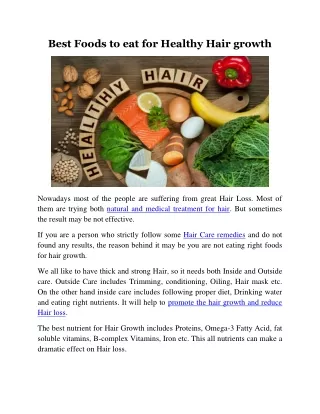
Foods with High Iron for Babies By 6 months, a baby experiences depletion of iron stores from birth. Adding high iron foods helps to replenish those stores. See some great options below: 1. Iron-Fortified Baby Cereals ● Smooth texture and easy to digest. ● Provide 7–12 mg of iron per serving. ● Very common first baby health food. 2. Lentils and Legumes ● Masoor dal, moong dal, chickpeas. ● Approx. 3-4 mg iron per 100 g. ● It can be cooked and mashed into soft khichdi. 3. Dark green vegetables ● Spinach, methi, amaranth. ● Approx. 2-3 mg iron per serving when cooked. ● Can blend into soups or purees for easier feeding. 4. Egg yolk ● Good source of iron and fat. ● Start with a well-cooked mashed yolk. 5. Meat & fish ● Chicken, turkey, and salmon all provide heme iron, which is better absorbed by the body.
Tips to Improve Iron Absorption ● Pair iron rich foods with Vitamin C foods like tomato, orange, or guava. ● Avoid giving too much milk with iron meals, as calcium slows absorption. ● Cooking in iron cookware can add a small amount of extra iron. Protein Foods for Babies You know protein as the “building block” of growth for your baby. Breast milk and formula have some protein, and solid foods add another layer of support that your baby needs. Some examples of protein-rich foods to include in your baby's meals are: ● Moong dal, masoor dal, chana dal - Rich in protein and easy to digest ● Yogurt - Protein plus probiotics for gut health ● Eggs - A good source of high-quality protein with all essential amino acids ● Paneer or Tofu - Soft and chewable vegetarian protein options ● Chicken or fish - Complete protein plus healthy fats Some parents wonder about protein powders for their kids, especially as they become toddlers. For babies under age 2, it is best to provide whole foods unless cleared by a doctor. For older children with limited appetites, powders may help increase their protein intake, but for babies, whole foods are a complete nutritional source. Baby Nutrition Food Ideas Preparing baby food can be a simple and nutritious task. Below are some combinations that give your baby both protein and iron:
● Moong dal khichdi with spinach puree - Easy to digest and full of nutrients. ● Iron-fortified cereals with mashed bananas - An appetizing breakfast starter. ● Mashed egg yolk with sweet potato - A soft consistency and nutritional density. ● Ragi porridge - A traditional grain that is high in iron and calcium. These foods not only fill the tummy, but they also help build the body and brain. Signs of Iron Deficiency Look for these signs: ● Pale skin ● Weakness or tiredness ● Frequent infections ● Slow weight gain If you see any of these, talk to your pediatrician! A blood test will determine if your baby needs additional support. Quick Tips for Parents 1. Introduce iron rich foods when your baby is six months old. 2. Provide both plant and animal sources of protein. 3. Serve iron-containing meals with vitamin C foods. 4. Limit excessive milk, as it may impede iron absorption. 5. Keep meals simple and age-appropriate (e.g., soft, bite-sized, and manageable). FAQs Q1: When should I begin feeding my baby high iron foods? At around six months of age, the iron needs are no longer met with breastmilk alone. Q2: What is the safest first baby health food? Iron fortified cereal combined with breastmilk or formula. Q3: Can my baby eat eggs every day? Yes, if there is no allergy. Start with the yolk and then progress to the white. Q4: Are fruits and veggies sufficient for iron? They help, but adding fortified cereals, legumes, and sometimes meat is a good approach to getting enough iron. Q5: Is protein powder for kids safe?
In babies, no. For an older child with a poor appetite, it would be best to discuss with the pediatrician first.





![[PDF] Free Download You Can't Iron a Wrinkled Birthday Suit By Sharon Phennah](https://cdn4.slideserve.com/8017803/slide1-dt.jpg)





![[READ PDF] ABC's For Brown Babies kindle](https://cdn6.slideserve.com/12025528/read-pdf-abc-s-for-brown-babies-kindle-download-dt.jpg)

![[PDF READ ONLINE] Anger Management: The Inside Out Parent Child Interaction Therapy (PCIT)](https://cdn7.slideserve.com/12535128/slide1-dt.jpg)