Download
1 / 11
110 likes | 229 Views
The world is becoming increasingly diverse, and educators must be ready to embrace this evolution. Understanding the unique backgrounds of students, including differences in age, abilities, and socio-economic status, is crucial for effective instruction. Reflecting on personal biases and fostering an environment of optimism is fundamental for student success. By actively listening to students' stories and recognizing systemic barriers, educators can help build a more inclusive and hopeful future. This approach will contribute to developing a diverse and effective workforce.

E N D
Diversity Bill Hatch, M.A., J.D., NC DPI Adapted from Debra Osborn NCDA Career Developments Spring 2012
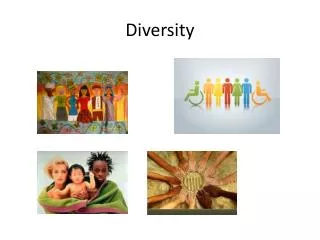
The reality is that we live in a more diverse world, which will keep changing, and we need to be prepared to meet the individual uniqueness of our students.
Stretch your understanding of diversity • Differences may include: • age, chronic illness, cognitive ability, criminal records, disability, education, education of parents, ethnicity, family status, gender, graphic location, home life, language, literacy, mental health, race, religion, sexual orientation, and socio-economic status • Get to know the student and integrate that understanding into strategies for instruction.
Reflect on your own biases, stereotypes, and assumptions • Each of us has been shaped by their own life experiences • How does this affect the way we view others? • What can we do?
Listen to your students’ stories • Take time to understand your students’ self/school/community/world view. • How will that impact their school/career concerns? • Ensure that you don’t impose your own biases and beliefs.
Recognize possible systemic barriers to school and workplace • Be aware of potential issues that may arise in course or future job.
Take a “hope-centered” approach • Research shows that optimism was the single best predictor of both career success and job satisfaction. • Fostering optimism and building hope for the future. • Not False hope or optimism, not unrealistic or unattainable projections for future. • Engage in esteem-building focus on strengths.
Bill Hatch NC DPI CTE 919-807-3872 william.hatch@dpi.nc.gov