0 likes | 11 Views
certified termite control technician
E N D
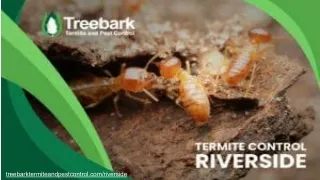
The Importance of Professional Pest Management In today’s world, where homes and buildings are designed to offer comfort and safety, a hidden enemy often lurks beneath the surface: termites. These tiny yet destructive creatures can wreak havoc on structures, causing billions of dollars in damages every year. While some homeowners might consider tackling termite problems themselves, it is always advisable to seek the services of a professional pest management technician to ensure thorough and effective solutions. Understanding Termites and Their Behavior Termites are small insects that primarily feed on wood and other cellulose-based materials. While they play a crucial role in nature by breaking down dead plant material, their presence in human dwellings can be catastrophic. Termites often go unnoticed until significant damage has occurred because they tend to avoid light and prefer hidden, damp areas. There are several types of termites, but the most common include: ● Subterranean termites: These termites live in the soil and build mud tubes to access above-ground food sources. They are among the most destructive species. Drywood termites: Unlike subterranean termites, these live directly in wood and do not require soil contact. Dampwood termites: As their name suggests, they thrive in damp, decaying wood. ● ● Understanding the type of termite infestation is critical to determining the appropriate treatment plan. Signs of a Termite Infestation
Detecting termites early can save homeowners from extensive damage. Some of the most common signs of a termite infestation include: 1. Mud tubes: These are small tunnels made of mud that termites use to travel between their nests and food sources. 2. Discarded wings: Swarming termites shed their wings after finding a suitable location to establish a colony. 3. Hollow-sounding wood: Tapping on wood that has been infested often produces a hollow sound due to internal damage. 4. Frass: Drywood termites leave behind droppings that resemble sawdust or coffee grounds. If any of these signs are noticed, immediate action is necessary to prevent further damage. The Role of Professional Termite Technicians A pest management technician is trained to identify, assess, and address termite infestations effectively. Their expertise and tools allow them to perform tasks that are beyond the reach of DIY methods. Here are some reasons why hiring a professional is essential: Accurate Identification Termites can sometimes be mistaken for other pests, such as ants. Professional technicians are trained to differentiate between species and understand their unique behaviors. This knowledge ensures that the correct treatment method is applied. Comprehensive Inspections Professionals use specialized tools, such as moisture meters and infrared cameras, to detect termites in areas that are not visible to the naked eye. They examine every nook and cranny, from crawl spaces to attics, ensuring no termite activity goes unnoticed. Effective Treatment Plans Once an infestation is confirmed, the technician will devise a customized treatment plan. This may include chemical treatments, baiting systems, or even structural repairs in severe cases. Professionals use industry-approved products that are both effective and safe for occupants. Long-Term Prevention Beyond addressing the immediate problem, pest management technicians also focus on prevention. They provide homeowners with advice on maintaining their properties to deter future infestations. This might involve sealing cracks, addressing moisture issues, and scheduling regular inspections.
Training and Certification of Termite Technicians The journey to becoming a skilled termite control technician involves rigorous training and certification processes. These professionals must possess in-depth knowledge of termite biology, behavior, and control methods. They are also trained in the safe handling and application of pesticides. Certified technicians undergo: ● Classroom training: Covering topics such as pest identification, treatment methods, and safety protocols. Field training: Hands-on experience under the guidance of experienced professionals. Examinations: Tests to assess their knowledge and skills. ● ● Moreover, technicians are often required to participate in continuing education programs to stay updated on the latest advancements in pest control technologies and techniques. Eco-Friendly Pest Control Solutions As environmental awareness grows, many pest control companies now offer eco-friendly solutions. These methods prioritize the health and safety of occupants and minimize the impact on the environment. Some eco-friendly options include: ● ● ● Biological control: Introducing natural predators of termites, such as nematodes. Non-toxic treatments: Using products like orange oil or borate-based solutions. Physical barriers: Installing stainless steel mesh or sand barriers during construction to prevent termite entry. By choosing a professional who offers such solutions, homeowners can address termite problems without compromising their environmental values. Tips for Preventing Termite Infestations While professional technicians play a crucial role in termite management, homeowners can also take preventive measures to reduce the risk of infestations. Here are some tips: ● Eliminate moisture: Fix leaky pipes, ensure proper drainage, and use dehumidifiers in damp areas. Store firewood away from the house: Termites are attracted to wood, so it’s best to keep firewood and other cellulose materials at least 20 feet away from the structure. Seal cracks and crevices: Prevent termites from entering by sealing gaps in the foundation and around utility lines. Maintain landscaping: Trim trees and shrubs to ensure they do not touch the building’s exterior. ● ● ●
Why DIY Methods Often Fail While it may be tempting to handle a termite problem independently, DIY methods often fall short for several reasons: ● Limited effectiveness: Over-the-counter products may not reach the root of the problem, allowing termites to persist. Safety risks: Misusing pesticides can pose health hazards to occupants and pets. Lack of expertise: Identifying the species and extent of the infestation requires professional knowledge and tools. ● ● By contrast, hiring a certified professional ensures that the problem is addressed efficiently and safely. Choosing the Right Pest Control Company Not all pest control companies are created equal. Homeowners should do their due diligence before hiring a service provider. Here are some factors to consider: ● Certification and licensing: Ensure the technician is certified and the company is licensed to operate in your area. Reputation: Check online reviews, ask for references, and consult the Better Business Bureau for complaints. Warranty: A reputable company will offer guarantees on their services. Transparency: Look for a provider that explains their methods and costs upfront. ● ● ● The Long-Term Benefits of Professional Termite Control Investing in professional termite control services provides numerous long-term benefits. It protects the structural integrity of your property, preserves its value, and ensures the safety of its occupants. Regular inspections and preventive measures also provide peace of mind, knowing that your home is safeguarded against potential infestations. As an informed homeowner, recognizing the importance of professional intervention is key. When the time comes to address a termite problem, trust a certified termite control technician to deliver reliable and effective solutions.