Download
1 / 18
190 likes | 314 Views
This report examines the dual role of strategy and data in addressing homelessness in Ireland. It analyzes economic factors such as GDP, housing market trends, and funding for homelessness programs. Notably, the report discusses key data collection initiatives, including the “Counted In” survey, and emphasizes the importance of timely information for policy-making and service provision. The implementation of the National Client Database and the upcoming 2011 Census will further refine homeless counts and assessment criteria, supporting evidence-based decision-making.

E N D
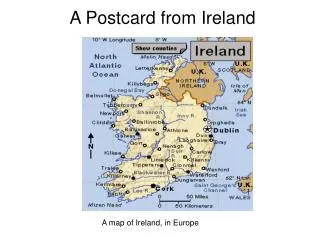
Ireland “Homelessness Strategy and Data: A Two-way Process” Denis Conlan & Marie Falvey Housing Division Department of the Environment, Heritage and Local Government, Dublin.
Part 1Background - economy, housing market, homelessnessGDP - actual & forecast
Homelessness Trends Dublin Homeless (“Counted In” survey) as % of population Gross count • 2008: 0.5% • 2005: 0.5% Excluding long-term & transitional accommodation • 2008: 0.3% • 2005: 0.3% Rough sleepers • 2009: 98 • 2008: 110 (0.009%) • 2005: 185 (0.016%)
2009 homeless fundingaccommodation related • +5.3% nominal • + 29% weighted (relative to all housing funding) • 4% of housing funding (3% 2008)
Homelessness Policy • Homeless Strategy –August 2008 • National Implementation Plan - April 2009 • New model of Dublin Homeless Services - June 2009 • New Legislation – July 2009: Homeless Fora and Action Plans • New “SLI” scheme (Support to Live Independently) - July 2009
Part 2 – Strategy and Data a two-way process • Data key to policy, services, monitoring • Progress reports on implementation of strategy • Strategic approach to data • National Implementation Plan – Data and Information Strategy
Homelessness DataKey developments and issues • MPHASIS –focus on data, timely in Irish context • Current developments in Ireland: • Homeless Counts • Assessment Criteria • National Client Database • Census enumeration
Homeless Counts“Counted In” • Special purpose homeless count • Very inclusive • In Dublin since 1999 • 3 further cities in 2008 • 3-yearly; annual counts in 2009 and 2010
“Housing Needs Assessment”homeless category • Part of overall social housing needs • Homelessness a category of social housing need • Only includes those suited to standard social housing options • 2.5% of social housing needs due to homelessness in 2008 (4.6% in 2005)
“HNA” v “Counted In” • Different figures – misunderstandings • Different purposes of each survey • Scope for more reconciliation and convergence • Changes to HNA - legislation
Homelessness assessment criteria • Application of statutory definition of homelessness being examined • Paper on assessment criteria in Dublin to promote consistency • Consider application nationally
National Client Database • New system following review of LINK: less detail, service provider data export, regional application • New system in Dublin in 2010 • Next phase – national roll out
National census of population 2011 • Enhanced coverage of homeless in 2011 census • Apply methodologies in Counted In and rough sleeper counts – maximise consistency • Take account of reconfiguration of services
Local/regional focus • Homelessness Action Plans to be informed by data/evidence review • Monitoring and reporting process - Service providers to Homeless Forum • Forum to local authority • local authority to Department • Department to CDT, Senior Officials Group, Cabinet Committee, Parliament
Future data priorities • Homeless Counts: • further refinement • assessment criteria guidelines • Census 2011 homeless data • New client database • national roll out • full participation of all services • quality data, user friendly system, training, etc
Future Data Priorities • Quality of information for policy, funding and services • data on use of homeless services • identification of homeless using mainstream services • accurate identification of needs • those in long term accommodation not classified homeless • Homeless Strategy implementation • local Action Plans – data quality • monitoring and reporting