Understanding Somatic and Autonomic Nervous Systems: Functions and Pathways
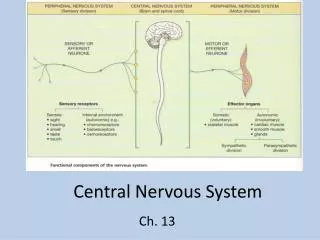
The nervous system is divided into the Somatic and Autonomic Nervous Systems, each playing vital roles in human physiology. The Somatic Nervous System (SNS) controls voluntary movements via skeletal muscles, utilizing a direct connection from a single motor neuron to an effector tissue. In contrast, the Autonomic Nervous System (ANS) regulates involuntary functions, with two motor neurons leading to multiple effector tissues such as cardiac and smooth muscles, as well as glands. The ANS is further subdivided into the sympathetic division, which prepares the body for stress ("Fight or Flight"), and the parasympathetic division, which promotes relaxation ("Rest and Digest").

Understanding Somatic and Autonomic Nervous Systems: Functions and Pathways
E N D
Presentation Transcript
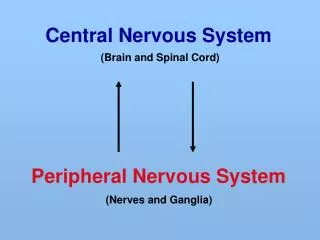
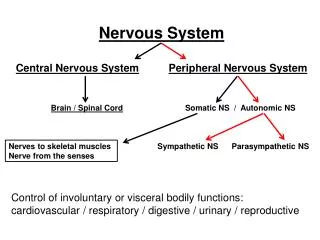
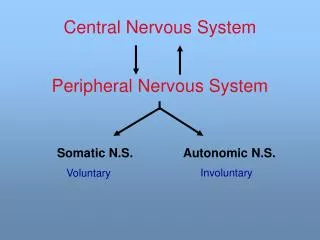
Somatic N.S. Autonomic N.S. Central Nervous System Peripheral Nervous System Involuntary Voluntary
Somatic N.S. Autonomic N.S. Peripheral Nervous System Skeletal Muscle Parasympathetic Division Sympathetic Division Cardiac, Smooth muscle and Glands
Somatic Nervous System (SNS) CNS One motor neuron to a single effector tissue: Effector Tissue Skeletal muscle Autonomic Nervous System (ANS) Two motor neurons to many effector tissues: Effector Tissue Cardiac muscle Smooth muscle and glands
Somatic Nervous System (SNS) Effector Tissue is Skeletal Muscle Control is Voluntary (except reflexes) Autonomic Nervous System (ANS) Effector Tissue is Cardiac & Smooth Muscle and Glands Control is Involuntary (except biofeedback) Parasympathetic: “Rest & Digest”, Craniosacral Origins, convergent. Ganglion close to effector tissue. Sympathetic: “Fight or Flight”. Thoracolumbar Origins, divergent. Ganglion close to spinal cord.