Managing Water Supply in Albuquerque: The San Juan-Chama Diversion Project and Conservation Incentives
To enhance water delivery to Albuquerque, the San Juan-Chama Diversion Project diverts approximately 35 billion gallons yearly from the San Juan River, with 43% of that serving the city. Albuquerque faces water usage challenges prompted by its size and growth. To combat this, the city offers incentives such as rebates for low-flow appliances, xeriscaping, and rainwater harvesting. Moreover, free services like xeriscape design and water audits help residents improve water efficiency. Understanding groundwater dynamics is crucial, as they mirror land surface contours.

Managing Water Supply in Albuquerque: The San Juan-Chama Diversion Project and Conservation Incentives
E N D
Presentation Transcript
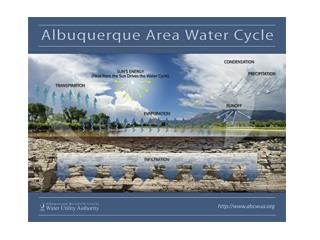
In order to deliver more water to the Albuquerque area, the San Juan-Chama Diversion Project was emplaced. This diverts ~ 35,043,657,190 gallons of water from the San Juan River every year. 43% of that water is supplied to Albuquerque.
Albuquerque water usage Think about city size… how are we doing?
Reduce water use City Incentives • Rebates from low-flow toilets and washing machines, xeriscaping, sprinkler timers, rainbarrel harvest • Free xeriscape design, installation of effective hose nozzles, shower heads, faucet aerators, free water audits (assessments)
Pumping ground water can change not only the water table surface, but also the land surface itself…
You will be looking at groundwater contours in your lab.Water contours are no different from land contours – same principles apply!Things to think about: Will water flow along contours, or across? Why? In which direction?*TIP* For question #3, imagine what a depression in a land surface looks like. It’s the opposite of a hill!