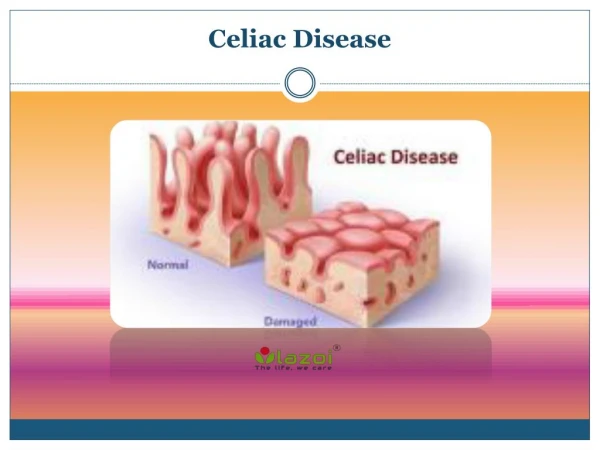
Understanding Celiac Disease: Diagnosis and Management of Gluten-Sensitive Enteropathy
Celiac disease is an autoimmune disorder triggered by gluten, affecting nutrient absorption and causing a range of symptoms beyond gastrointestinal issues. Diagnosis involves serological tests and biopsy, especially in cases with associated conditions like Type 1 DM, infertility, and autoimmune thyroid disease. Physical exam findings may include dermatitis herpetiformis. It's crucial to diagnose before initiating a gluten-free diet to avoid false negative serology results. Treatment focuses on the complete removal of gluten-containing foods.

Understanding Celiac Disease: Diagnosis and Management of Gluten-Sensitive Enteropathy
E N D
Presentation Transcript
Celiac Disease Ryan Sanford 3/30/10
Key Points Gluten Sensitive Enteropathy Malabsorption, extra-GI effects Dx w/: serology, biopsy, gluten restriction Consider with: DM1, Fe-deficient, infertile, bad osteoporosis, IBS, autoimmune thyroid disease, chronic GI Sx MAKE the diagnosis prior to lifetime gluten restriction!
The spectrum of pathology – partially reflecting state of gluten exposure
Dermatitis Herpetiformis THE physical exam finding Itchy, vesiculo-bullous rash of extensors, trunk, intrascapular region Often treated with dapsone only, but gluten should be removed from diet
Associations DM type 1 Autoimmune thyroid disease Down syndrome Selective IgA deficiency Infertility Atrophic glossitis Iron deficiency Metabolic bone disease – early/severe osteoporosis CNS: peripheral neuropathy, cerebellar disease, ?anxiety/depression
Serology – how good is it? As good as the diet: if avoiding gluten, titers drop false negatives! Best = IgA tissue transglutaminatse or IgA endomysial Ab. EMA: LR+33; LR- 0.02 tTG: LR+ = 15.8; LR- = 0.05 Gliadin Ab LR+ = 4; LR- = 0.25 Antigliadin Ab test: not as Sn/Sp; avoid Almost all w/ 1) positive serology or 2) those with negative serology but strong suspicion should have small bowel biopsy If still negative: IgA deficient? – check IgG tests, avoiding gluten already?, return to DDx.
Treatment – deceptively simple Complete removal of gluten from diet Wheat, rye, barley, oats
References ACP Pier Up To Date