Prepare for College Success: Ready, Set, College! Event in Bothell
150 likes | 270 Views
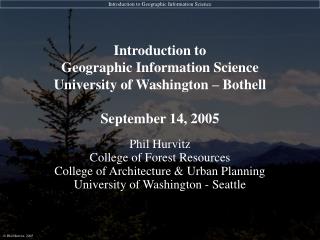
Join us for the "Ready, Set, College!" event hosted by Bothell PTSA in partnership with the GEAR UP program. This informative session aims to enhance college readiness among students and families in Washington. Learn about the benefits of a college degree, available academic programs, and financial aid options. Discover strategies to navigate the college admissions process, explore career pathways, and understand the importance of academic preparedness. Empower yourself with resources to turn your college dreams into reality!


Prepare for College Success: Ready, Set, College! Event in Bothell
E N D
Presentation Transcript
Ready, Set, College! Bothell PTSA Event
Federal Program GEAR UP (Gaining Early Awareness & Readiness for Undergraduate Programs) State Grant Washington GEAR UP GEAR UP Grant Partner UW Office of Minority Affairs & Diversity GEAR UP Educator Development Initiative Roseann London, Director College: My Dream. My Plan.
Why College? • It pays off. A college graduate with a bachelor’s degree can expect to earn twice as much as non-college grads. This translates into about $1.6 million more in lifetime earnings than those with a high school diploma. • Improved quality of life -- health, higher life-satisfaction, community involvement. • More likely to stay employed. • Economic forecasts predict that 72% of future jobs will require a bachelor’s degree or higher.
College Readiness = Aware + Eligible + Prepared
Aware of Postsecondary Options in Washington Public Universities • Central Washington University – Ellensburg • Eastern Washington University – Cheney • Western Washington University – Bellingham • University of Washington--Seattle, Bothell, Tacoma • Washington State University -- Pullman, Vancouver, Tri-Cities, Spokane • The Evergreen State College – Olympia Private Universities • Gonzaga University – Spokane • Saint Martin’s University – Lacey • Seattle University • Seattle Pacific University • Pacific Lutheran University – Tacoma • Whitman College – Walla Walla
Community and Technical Colleges Describe our colleges Transfering plan ahead
College Fit – Considerations • Location: • in-state vs. out-of-state • Institutional Type: • 4 year vs. community college • public vs. private • secular vs. religious • Enrollment Size • small, medium, large • Cost: • in-state vs. out-of-state • 4 year vs. community college • private vs. public • Academic Programs (Majors) • Others to consider • Selectivity (admissions profile) • ACT/SAT score • average GPA • Campus life • Diversity • Retention and graduation rates • Accessibility to professors • Reach, Solid, Safety
Career Exploration & Workforce Needs Career Cruising http://www.careercruising.com/ Bothell resource through counseling center. Career Bridge www.careerbridge.wa.gov/ Searchable database of education and training programs. Average earnings & employment outlook. Job Shadows Explore your interests and related educational path.
How to pay for it all? • Financial aid includes grants, loans, work study, and scholarships - and can be either need-based or merit-based. • You can receive financial aid equal to your “financial need”. • Your “financial need” is the difference between the “cost of attendance” and your “expected family contribution”. • The amount your family is expected to contribute is calculated based on the information you reported on your FAFSA (Free Application for Federal Student Aid). FAFSA4caster: www.fafsa4caster.ed.gov
Scholarships It’s free money. If you put the time and effort, it can pay off in a big way! theWashBoard.org http://www.thewashboard.org Scholarship Junkies http://scholarshipjunkies.com Washington Opportunities Pathways http://www.hecb.wa.gov/PayingForCollege/StateAid Tip: start early and never pay for searches
Eligible • College Academic Distribution Requirements (CADRs) • English (4 credits) • Math (3 credits) • Social Sciences (3 credits) • Science (2 credits) • Foreign Language (2 credits) • Fine Arts (1 credit) • Note: More are recommended for competitive schools • Rigorous Courses and Programs • * Advanced Placement (AP) • * International Baccalaureate (IB) • * Dual Credit (Running Start, college in the high school)
Prepared – more than eligible College preparation involves putting college awareness skills into action as well as going above and beyond the minimally required coursework to ensure postsecondary success. Students who are college prepared also have the personal and social skills required to succeed in the more independent environment of the workplace or postsecondary campus. Working harder today will make getting into college easier and succeeding once you get there.
Times LinesDevelop a 4 year plan Take the PSAT (Sophomore Year).Take the ACT or SAT (Late Junior Year and early Senior Year). Beginning of your Senior Year Work on essays (personal statement -- tell your story) Get personal. What challenges have you faced? What can you provide that is not in the rest of the application. Recommendation letters if required by the school you are applying to. Submit your College Application (October/November of Senior Year).FAFSA – www.fafsa.ed.gov (Beginning of January of your Senior Year).Beat every deadline! (find out the deadlines early)
Tips Talk to your counselors, coaches, teachers. Contact your Admission Counselors. Visit Campuses. AttendCollege Fairs. Get your college dreams on other people’s radar.