Ethical Dilemmas in End-of-Life Care: Case Studies of PEG Feeding Decisions
This document presents two case histories highlighting ethical dilemmas faced in end-of-life care decisions regarding PEG (Percutaneous Endoscopic Gastrostomy) feeding. The first case involves a 55-year-old woman with progressively worsening MND, whose husband advocates for PEG feeding while she prefers to wait. The second case is a 75-year-old woman with dementia in a nursing home where her family urges for urgent PEG placement as she ceases oral intake. These cases raise questions about patient autonomy, family wishes, and medical recommendations.

Ethical Dilemmas in End-of-Life Care: Case Studies of PEG Feeding Decisions
E N D
Presentation Transcript
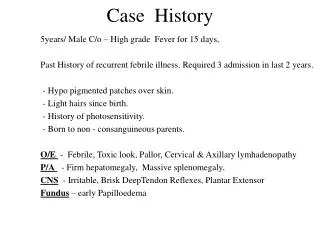
Case history 1 A 55 yr old woman with one year history of fairly rapidly progressive MND. Speech and swallowing deteriorating. Speech therapist recommends PEG feeding for safety. Husband keen for wife to have PEG. Wife wants to wait longer ‘till really needs it’ and to keep trying to eat. Neurologist thinks likely to get aspiration pneumonia if waits much longer…… What do you do?
Case history 2 • A 75 year old lady with dementia is in a nursing home. She appears to fairly content but cannot recognise family or friends and no longer takes part in any activity. She does not have coherent conversations. • She has been gradually eating and drinking less and less, and finally stops taking anything at all (on a Friday). Her family want her to have a PEG urgently to make her feel better. • What do you do?