Download
1 / 11
110 likes | 233 Views
Implementing a comprehensive land transport strategy in Singapore to manage demand and enhance public transport, integrating residential and commercial developments to reduce pressure on the Central Business District. Utilizing market mechanisms for road resource allocation, limiting car ownership growth, and investing in new rail systems. Introduction of the Electronic Road Pricing System (ERP) and expanding the Rapid Transit Network. Focus on ensuring economic viability and financial sustainability of transport projects. 8 Relevant

E N D
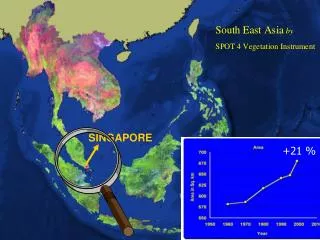
SINGAPORE +21 %
MALAYASIA SINGAPORE ISLAND
Land Transport Strategy Demand Management Public Transport • Use market mechanism to allocate scarce road resources • Restrain Car ownership to grow @ 3% per year • Invest US$1B a year in new rail systems for next 25 years • Integrate residential and commercial developments in new towns to reduce pressure on the Central Business District
ELECTRONIC ROAD PRICING SYSTEM -ERP Operational in April 1998
PRESENT NETWORKRED(NS line) + GREEN(EW line) = 89.4 km. RED, GREEN,GREY(LRT) Lines are operational
Rapid Transit Network - 2030 N WOODLANDS SELETAR TAMPINES JURONG EAST Heavy Capacity Strategic MRT Medium Capacity Strategic LRT Light Capacity LRT
Target Current 25% 37% 63% 75% Private Transport Public Transport
SOME LEARNING FOR DMRCFinancing Economic viability Benefits > Costs Financial viability Revenue > Ops. Costs • Criteria for Development: • Government pays: • Physical Infrastructure • First Set of Operating Assets • Inflationary Cost of Next Set of Operating Assets $ $ $ No Subsidy on Direct Operating Cost ( No free lunch ! )