Download
1 / 3
0 likes | 14 Views
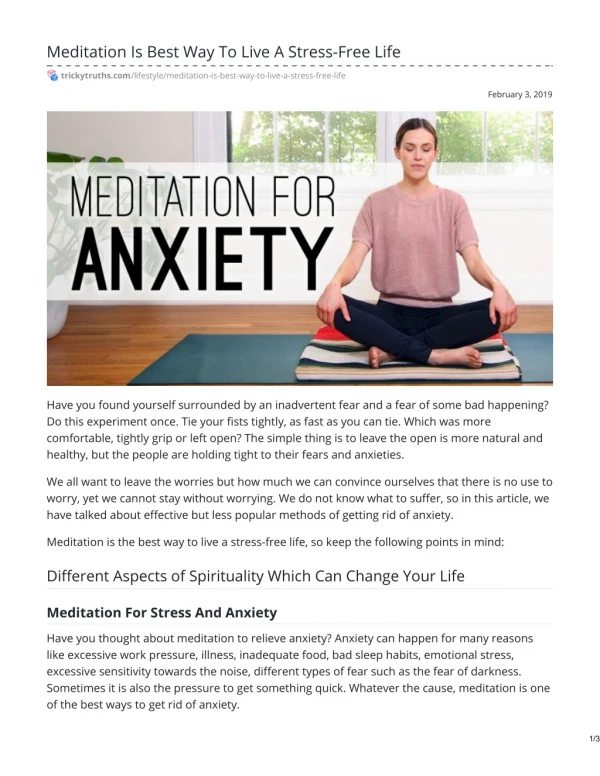
Meditation is a powerful tool for managing Anxiety Disorders. By practicing mindfulness, individuals can calm racing thoughts, reduce stress, and gain control over their emotional responses. Regular meditation helps to quiet the mind, lower cortisol levels, and foster a sense of inner peace, which can significantly reduce symptoms of anxiety.

E N D
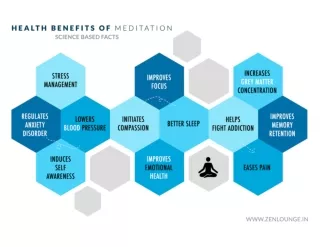
Benefits of Meditation for Anxiety Introduction We’ve all experienced anxiety—the fluttering in your stomach, sweaty palms, headaches, or that tightness in your chest. These sensations are common when our adrenaline kicks in. Although anxiety symptoms can feel overwhelming and unpredictable, the first step to managing them is understanding what’s happening. This is where meditation can make a difference. Through meditation, we can change the way we respond to the narratives Anxiety Disorders create. This shift in perspective may lead to experiencing six key benefits: Reduce Stress One of the main reasons people turn to meditation is for stress relief. When we encounter stress, the body releases hormones like cortisol, which can have negative impacts such as disrupting sleep, increasing anxiety and depression
symptoms, raising blood pressure, and causing fatigue and mental fog. Studies show that meditation is highly effective in reducing these harmful effects. Enhances Self-Awareness In general, all forms of meditation aim to enhance self-awareness. Some types focus on strengthening your sense of self, while others help you identify negative or unhelpful thoughts. The goal is to become more aware of these thoughts, allowing you to change your response to them and, over time, reduce the anxiety they may cause. Lengthens Attention Span Meditation is like weightlifting for your mental health. Just as lifting weights strengthens physical muscles, meditation builds the "mental muscle" by enhancing your attention span. Research has consistently shown that regular meditation practice improves performance on visual tasks. Additionally, experts suggest that meditation can even rewire the brain, reducing tendencies toward mind-wandering, worrying, and rumination. Promotes Kindness Certain types of meditation, like Loving-Kindness Meditation, foster positive emotions toward both yourself and others. By cultivating unconditional kindness and compassion for yourself, you can enhance feelings of love, joy,
and happiness while diminishing self-criticism. As you strengthen your empathy for others through this practice, you'll also develop a deeper sense of compassion for yourself. Supports Emotional Health Meditation offers numerous benefits for emotional well-being. Research shows that as attention and mood improve through regular meditation, individuals become less reactive to negative or stressful situations. One effective approach is Mindfulness-Based Stress Reduction (MBSR), a form of therapy known to help reduce anxiety and depression, providing significant relief for many who struggle with these conditions. Sleep Sleep is essential for our well-being, but anxiety can make it difficult to get the rest you need. When anxious thoughts take over, they can disrupt your sleep, and the lack of sleep in turn heightens stress and anxiety. Meditation helps by calming the mind, allowing you to manage anxious thoughts and release tension, fostering a sense of peace and relaxation before bed. While meditation is a valuable tool that anyone can use, it's not a quick solution. For those with severe anxiety, it's important to seek help from a mental health professional. At Insight Therapy LLC, an experienced team of Therapists in Champaign is available to guide you on how to incorporate meditation into your treatment plan for the most effective results. Contact Insight Therapy LLC To get the more information, contact Insight Therapy LLC. Website: https://www.insighttherapyllc.com/ Contact No: (217) 383-0151 Address: 3362 Big Pine Trail, Suite A, Champaign, Illinois 61822


![get [PDF] Download Mindfulness | Meditation for Anxiety: Overcome Anxiety through Meditation and](https://cdn7.slideserve.com/12580438/slide1-dt.jpg)