Download
1 / 9
90 likes | 222 Views
In this lesson, we delve into Chapter 7 of our Social Studies curriculum, focusing on the remarkable military empires of the ancient world, specifically Babylonia. Students will engage in a map activity that highlights key geographic features such as the Tigris and Euphrates Rivers, the Mediterranean Sea, and important cities like Babylon and Nineveh. They'll also participate in a creative postcard activity where they will imagine life as a tourist in ancient Babylonia, allowing them to express their impressions of daily life in this rich civilization.

E N D
Chapter 7 Military Empires Ms. Smith 8th Grade Social Studies
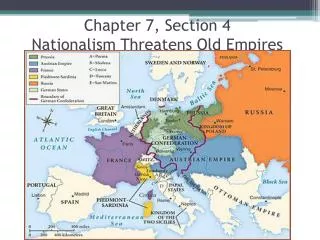
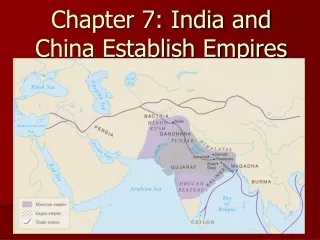
Today’s Agenda 1-14-14 • Map Activity -Quiz Grade • 119 • 125 • 715 • NEATNESS COUNTS!!! Plot Points • Plot Points • Mediterranean Sea • Caspian Sea • Red Sea • Babylon • Media • Tigris River • Euphrates River • Nile River • Persian Gulf • Nineveh • Asia • Jerusalem • Egypt
Today’s Agenda Postcard Activity Directions: Imagine you are a tourist in ancient Babylonia. (Section 2 page 120) Make a postcard to send to your family back in America. Front – draw an illustration of an area or feature of the city of Babylon. Back (lined) – write a note to your family about your impression of the city and the daily life of it’s people.
Chapter 7 Vocabulary • Empire – several territories governed by a single ruler or nation. • Smelting – a process developed by the Hittites that heated iron ore then pounded it out and cooling it.
Chapter 7 Vocabulary • Provinces – political districts the Assyrians divided their empire into. • Caravans – groups of traveling merchants who traded goods such as pottery, cloth, and baskets.
Chapter 7 Vocabulary • Astronomers – people who collect, study, and explain facts about the heavenly bodies • Nebuchadnezzar – Babylonian ruler who built the Hanging Gardens for his wife.
Chapter 7 Vocabulary • Babylon – rich capital city of the Chaldean empire. • Persians – people who separated from the Aryans ; established Persia in modern-day Iraq.
Did you know? Many English words com from Ancient Persia by way of the Greek language, which is now modern-day Iran? Flowers such as rose, jasmine, lilac, and narcissus. Foods such as asparagus, orange, peach, rice, and spinach. Other words such as tapestry, tiara, and tiger
Today’s Agenda Notes – Vocabulary 1-8 Video – 7 Wonders of the Ancient World Return classwork/tests