Download

1 / 25
250 likes | 370 Views
This comprehensive guide by Dr. T. Petrillo-Albarano delves into the critical aspects of EKG interpretation in pediatric patients. Learn to identify the components of an EKG, including P waves, QRS complexes, and T waves, alongside normal heart rate ranges for different age groups. The guide emphasizes the recognition of bradycardia, tachycardia, and emergency rhythms like pulseless arrest. With algorithms for managing bradycardia and tachyarrhythmias, this resource is essential for healthcare professionals aiming to enhance their skills in pediatric critical care.

E N D
Reading and Interpreting EKG T Petrillo-Albarano, MD Division of Pediatric Critical Care Children’s Healthcare of Atlanta
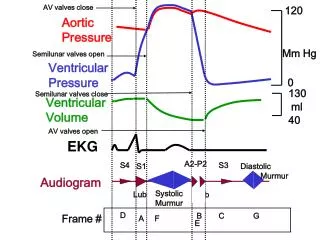
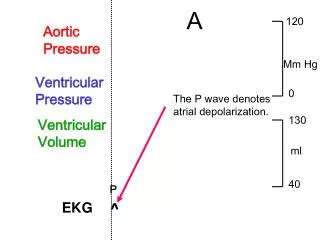
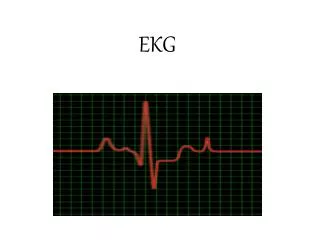
The EKG • P wave • Depolarization atria • QRS • Depolarization ventricle • T wave • Repolarization Ventricle
Normal Rates • O-3 months 85-205 (140) • 3m-2years 100-190 (130) • 2-10years 60-140 (80) • > 10years 60-100 (75)
Identifying Rhythm • Too Slow • bradycardia • Too Fast • tachycardia • Absent • Pulseless arrest
Bradycardia • HR less than 60 • Associated with poor perfusion • Can be caused by many factors • Hypotension, hypoxemia, acidosis, ingestion • In children Hypoxemia is often culprit • Support the airway
Tachy-arrhythmias • ABC • Adequate airway • Respiratory effort • Does the child have a pulse? • No Pulse: CPR; define rhythm • Positive pulse.. Define rhythm • Assess QRS duration
Sinus Tachycardia • Causes? • Hypovolemia • Fever • Anxiety • Pain • Metabolic stressors • drugs
Sinus Tachycardia • P waves present and normal • Variability to rate • Constant PR interval • Infants usually less than 220; children usually less than 180 • Treat the cause
Supra-ventricular Tachycardia • Usual sudden onset • No history to support ST • P waves are often absent ( but can be present) • Abrupt changes • Usually greater than 220 or 180
SVT • Assess Perfusion • Good perfusion: • Call cardiology • Vagal maneuvers • Adenosine • Poor perfusion • Cardioversion • Adenosine • Beta blockers
V Tach with pulse • Most will have underlying congenital heart disease or myocarditis/ cardiomyopathy • Can be related to electrolyte imbalance, toxin, drugs • Cardioversion • Consider Amiodirone
Pulseless Rhythms • VT • V-fib • PEA • Asystole