Download
1 / 7
70 likes | 171 Views
Explore the rich cultural and historical importance of the estuaries in Eastern Canada, particularly in Sackville, NB along the Northumberland Strait. Delve into the history of the Maritimes with a focus on the earliest settlers, the French and British colonization, Acadian immigration, and the post-Confederation era. Learn about the resources, conflicts, and economic activities that have shaped the region over centuries.

E N D
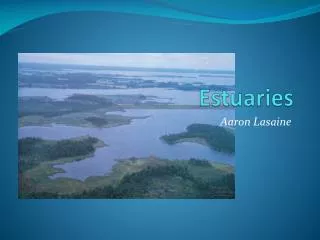
Estuaries of Eastern Canada Cultural and Historic Importance
The Location Sackville,NB Northumberland Strait
History of the Maritimes:Four Major Distinctions • Earliest Settlers • The French • The British • Post-Confederation (Return of the French)
Earliest Settlers:Mi’kmaq and Maliseet • More than 7000 years Ago these Native Americans had settlements here. • Summered along the coast (Estuaries) wintered inland.Why? Geological Location allowed for access to N. Umberland Strait Riverine access to inland areas Resources Waterfowl Fishery resources (fish,shellfish, lobsters, wampum etc)
The Acadians:Canada’s First Immigrants (?) • Area (Acadia) was discovered by the French while looking for a passage to Asia • Port Royal (est. 1607) • Economy was based around trade with natives, fishing and farming. • Farming brought about the construction of dikes used to regain land from the sea • Conflicts with French territories (north) and British territories (South) • 1755-1763 “The Great Expulsion” Acadians were expelled to other British Colonies. Many settled in Louisiana (Cajuns)
British Colonialism: • After the Great Expulsion (really after American revolution) • Yorkshire, England > Eastern Canada following the Acadian Expulsion • Used diked lands to produce Hay, rye, oats, hemp, Indian corn, tobacco, and barley • Shipbuilding, logging, and farming were economic drivers in southeastern Canada
Post-Confederation: Economy on the Estuary • Since early 19th Century economy around the estuaries has been mostly based on: • Fishing (finfish, shellfish, crustaceans) • Logging • Agriculture • More recently (including much of the above) : • Pulp/Papermills • Textiles • Oil/Nat. Gas Exploration