Comprehensive Safety Guidelines to Prevent Injuries at Home and Beyond
Safety is paramount indoors and outdoors. This guide covers essential safety practices to prevent injuries, from preventing fires at home—such as never leaving candles unattended and keeping stoves clean—to avoiding electrical shocks by maintaining cords. We address internet safety, including strategies for handling cyberbullying and protecting personal information. Additionally, we highlight the importance of water safety during recreational activities and provide tips for emergency preparedness in the face of natural disasters. Stay alert, follow these safety measures, and ensure a safer environment for all.

Comprehensive Safety Guidelines to Prevent Injuries at Home and Beyond
E N D
Presentation Transcript
Preventing Fires Never leave a candle burning unattended. Make sure people don’t fall asleep while smoking. Keep stoves and ovens clean. Replace frayed electrical cords.
Burns • Turn pot handles AWAY from the edge of the stove. • Wear oven mitts to move hot pots and pans.
Poison • Keep medications in childproof containers. • Store household chemicals in original containers. • Never mix household chemicals. • Use cleaning products in well-ventilated areas.
Electrical Shock Keep electrical appliances away from water. Do not overload an outlet. Use a surge protector strip. Replace frayed cords.
Internet Safety • Cyberbullying • Cruel or bullying online messages • Block the bullies • Try ignoring • Print the screen • Sign off and get help from parent or other trusted adult • Smart Surfing • Never give out: • Name • Address • Passwords • Phone numbers • Use a nickname in chat rooms • Keep online “friends” online • Leave uncomfortable conversations and tell a parent right away • Other Online Problems • Viruses • Delete without opening or downloadings files from people you don’t recognize
Recreation and Water Safety • Safety while Camping and Hiking • Always have a buddy • Wear socks & long pants to protect from ticks • Know about poisonous plants and dangerous animals • Water Safety • Swim with a buddy • Never dive in a shallow or unknown area • Always wear a personal floatation device on a boat • Winter Sport Safety • Dress in layers • Wear appropriate safety equipment • Lake, River, and Ocean Safety • Swim only where there is a lifeguard • Watch for warnings • If pulled out to sea, swim parallel to the shore, then back to shore
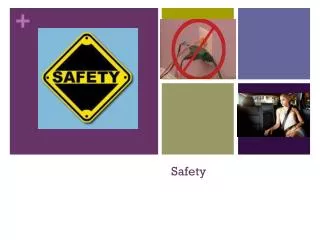
Safety on the Road • Always wear a seat belt • No Distractions • Practice Defensive Driving • Obey the Speed Limit
Weather and Natural Disasters • Severe Weather • Hurricanes, floods, severe thunderstorms, tornadoes, blizzards • Stay inside • For tornados go to the lowest level • Emergency Preparedness • Prepare BEFORE an emergency • Talk to your family • Meeting place • Contact Person • Emergency Survival Kit • Food and water– 1 gal. water /person/day for THREE days • Phone, battery-operated radio, flashlight, blankets • Other supplies – medication, money, batteries, chargers • Earthquakes • Stand under a doorway or sturdy piece of furniture • If outside, stay way from buildings • After earthquake, leave damaged buildings