One of the most critical infrastructures of the contemporary healthcare is a medical gas pipeline system. It will make sure that essential medical gases, such as oxygen, nitrous oxide, medical air, and vacuum, are delivered safely and effectively to patients. It can be an emergency room, ICU, operation theatre, or a general ward but in any case, the quality of this system will be directly proportional to patient care and treatment results.
What Is a Medical Gas Pipeline System?
A Medical gas pipeline system refers to a system of pipes, valves, alarms, and source equipment that is used to supply the medical gases all over a healthcare facility.
Hospitals have centralized gases instead of using individual cylinders to supply gases where they are required.
Why Is It Important in Healthcare?
In healthcare settings, time and accuracy save lives. This system ensures:
- Constant continuous supply of gas. Pressure regulated safe distribution. Ease of getting gases in case of an emergency.
- Lower risks than the use of gas cylinders.
A reliable medical gas pipeline system supports smooth hospital operations and improves patient safety.
Key Components of a Medical Gas Pipeline System
1. Source Equipment
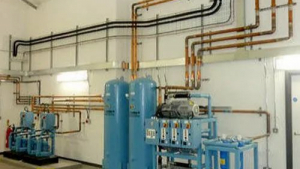
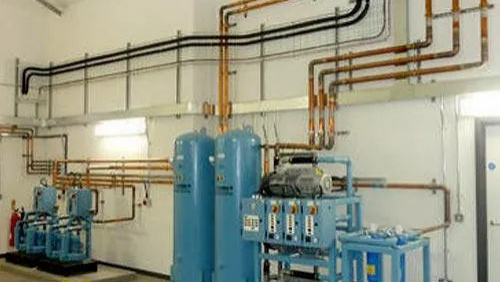
Contained compressors, vacuum pumps and manifolds that produce or receive medical gases.
2. Pipeline Network
Gasses are transported throughout the facility by copper pipelines.
3. Valves and Regulators
These keep appropriate pressure and can be isolated in case of emergency.
4. Alarm Systems
Warns employees of pressure drops, leaks, or technical problems.
5. Terminal Units
Connection points with medical devices on the part of doctors and nurses.
Benefits of an Efficient System
- Maintains the provision of oxygen to the critical care. Enhances operations in operation theatres.
- Improves hygiene and safety through a decrease in the movement of the cylinders.
- Reduces maintenance requirements in comparison with cylinder based provision.
- The properly designed medical gas pipeline system does not only increase the operational efficiency but also provides all patients with the proper gas at the proper time.
Safety Measures
- Any medical gas system is supported by safety. Key precautions include:
- Regular leak testing Adequate labelling and color coding.
- Routine maintenance checks Healthcare standards are observed strictly.
- These procedures reduce the chances of contamination, leakages or failure of systems.
Final Words
A medical gas pipeline system is a lifeline that is invisible but crucial in all the healthcare facilities. It improves patient care, streamlines the operations of the hospital and makes the delivery of life-saving gases uninterrupted. It can be an effective support of modern medical infrastructure with the help of the proper design, installation, and maintenance.