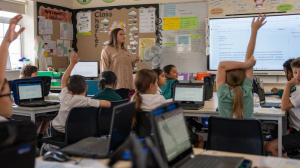
Board Certified Behaviour Analysts (BCBAs) are highly trained professionals who specialize in understanding and improving human behaviour using evidence-based practices. They play a vital role in education, healthcare, and community settings, particularly in supporting individuals with autism spectrum disorder (ASD), developmental disabilities, and behavioural challenges.
BCBAs are responsible for assessing behaviour, identifying triggers, and designing individualized behaviour intervention plans. Using Applied Behaviour Analysis (ABA), they collect and analyse data to track progress and adjust strategies for long-term success. Their work focuses on increasing positive behaviours, improving communication, and reducing behaviours that interfere with learning or daily life. Read More
In school settings, BCBAs collaborate closely with special education teachers, paraprofessionals, school psychologists, and families. They provide training and guidance to staff, ensuring behaviour strategies are implemented consistently across classrooms and environments. In clinical or home-based settings, BCBAs work directly with children and adults, coaching caregivers to support behaviour goals beyond therapy sessions.
Becoming a BCBA requires a master’s degree in behaviour analysis, psychology, education, or a related field, completion of supervised fieldwork, and passing the BCBA certification exam administered by the Behaviour Analyst Certification Board (BACB). Ongoing professional development and ethical practice are essential parts of maintaining certification.
Overall, BCBAs Complete Guide make a meaningful impact by helping individuals develop essential life skills, achieve independence, and succeed academically and socially. Their expertise supports inclusive environments and promotes positive, lasting behavioural change.