Exploring Bio-Gas Digestion: Harnessing Methane from Food Waste
70 likes | 206 Views
This document discusses the bio-gas digestion process, highlighting methane gas as a key component of natural gas. Methane is produced through the decomposition of organic matter in environments such as swamps and by livestock through methanogenic bacteria. We explore simple equipment to recreate this process using daily food waste like vegetables and fruit. A small-scale lab system can measure the methane produced per pound of food, allowing for calculations of energy yield and potential fertilizer production.


Exploring Bio-Gas Digestion: Harnessing Methane from Food Waste
E N D
Presentation Transcript
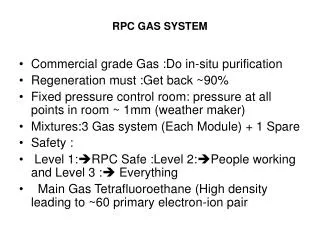
Methane Gas • The combustion of methane is a very exothermic reaction (ΔH = -891 kJ/mol) • Main component of "natural gas“ • Can be found • Underground • Swamps and marshes • Livestock (methanogenic bacteria)
Something we may not know • Cow can produce a lot of gas per day
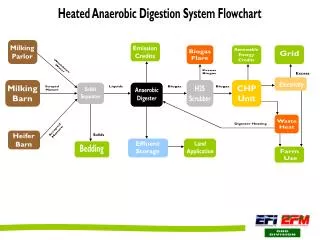
How to • Simple equipment to recreate “fart” • Create methane using daily food waste • vegetables • fruit
Lab • Create a smaller scale system • Measure how much gas produce per pound of food • Using the result to calculate the energy the process can produce
Product • Gas (methane) • Fertilizer